
Selling your home for the highest possible number sounds like the obvious goal, but the list price and the amount you walk away with are two very different figures. For homeowners in Los Angeles, Oakland, and across California who are weighing a listing against a cash offer, the real question is not which price looks bigger on paper. It is which path leaves more money in your pocket after every cost. In California, where homes carry high values and traditional sale costs run deep, that distinction matters more than most sellers realize. This article offers general information, and a California real estate professional or tax advisor can review your own numbers.
Why Is the List Price Not the Same as the Amount You Keep?
Every traditional home sale starts with a list price and ends with a net proceeds check. What happens between those two points is where sellers are often surprised.
Agent Commissions Alone Are a Major Line Item
In Los Angeles, seller-paid real estate commissions have historically run around 5% to 6% of the sale price. On a $900,000 home, that is $45,000 to $54,000 gone before anything else. After the commission structure changes that took effect in mid-2024, negotiation has become more open, but sellers should not assume they will pay nothing. Buyers may ask sellers to cover their agent’s fee as part of a written agreement. Confirm current norms with a licensed agent before assuming a fixed rate.
Seller Concessions Add Another Layer
Even in a competitive market, buyers often request seller concessions, which are credits at closing that cover the buyer’s closing costs, repairs found during inspection, or rate buydowns. Concessions of roughly 1% to 3% of the purchase price are common in normal market conditions. On that same $900,000 home, a 2% concession is $18,000 off your net.
Escrow, Title, and Transfer Taxes
California sellers typically pay a share of escrow fees, the owner’s title insurance policy, and a documentary transfer tax based on the sale price. The county rate is $1.10 per $1,000 of value, and many cities add their own transfer tax on top. Los Angeles and Oakland each have city-level rules, and Oakland’s structure can differ significantly, so ask your escrow officer for the exact figure. These items add up to several thousand dollars at minimum.
What Hidden Costs Shrink a Traditional Los Angeles Home Sale?
Beyond commissions and closing costs, a traditional listing carries costs that many sellers overlook when they compare it with a cash offer.
Pre-Sale Repairs and Staging
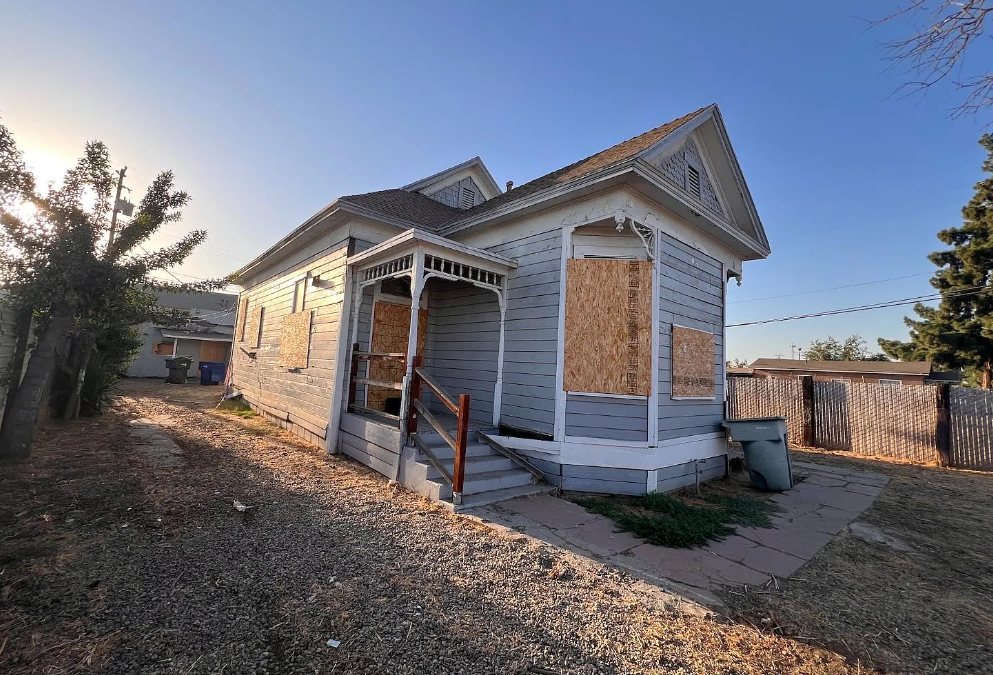
Most agents recommend that sellers address deferred maintenance before listing. In Los Angeles, where buyers have plenty of options and inspections are thorough, a home with visible issues often draws low offers or tough negotiation after the inspection period. Pre-sale repairs can range from a few hundred dollars for cosmetic fixes to tens of thousands for roofing, plumbing, or foundation work. Staging, even a modest setup, often runs about $1,500 to $5,000 initially, plus monthly fees if the home sits.
Carrying Costs During the Listing Period
Every month your home is listed, you still pay the mortgage, property taxes, homeowners insurance, and utilities. Suppose a California homeowner carries $4,500 in total monthly housing costs. If the home takes three months to go from listing to closing, that is $13,500 paid while the property sits on the market. If negotiations stall, inspections cause delays, or a buyer’s financing falls through, those costs grow.
This is one of the most underappreciated costs in a traditional sale. It never appears as a line item on the settlement statement, but it is real money leaving your account.
How Do Cash Buyers Calculate Offers, and Where Does the Difference Go?
Understanding how a cash offer is priced helps you compare it fairly instead of rejecting it at face value.
The Basis for a Cash Offer
Cash buyers evaluate a home’s as-is market value and work backward from the costs needed to bring the property to resale condition. The offer reflects the after-repair value, minus estimated renovation costs, holding costs during the renovation, and a margin that lets the buyer operate as a business. This is not a secret formula. It is standard investment math that any homeowner can ask about directly.
What you give up in offer price, you often recover in reduced costs. No agent commissions, no staging, no pre-sale repairs, and no months of carrying costs while you wait for a buyer. Seller closing costs on a cash transaction are typically lower than on a financed sale, and in some cases the buyer covers more of them, though this varies by transaction. Taxes such as the documentary transfer tax generally still apply.
What a Cash Offer Net Comparison Might Look Like
Using the same property, suppose a cash offer comes in at $800,000. With no commission, no concessions, no pre-sale costs, and about $5,000 in closing costs, including transfer taxes, the net proceeds come to roughly $795,000. Compared with the $784,375 net from the traditional example, the cash offer puts about $10,000 more in the seller’s pocket, despite being $75,000 lower than the accepted price on paper. The cash example also ignores carrying costs, so the real gap may favor the cash sale slightly more.
The gap widens further if the home needs significant repairs before it would compete on the open market. A property that needs $40,000 in work changes the math considerably in favor of an as-is sale.
When the Traditional Sale Still Wins
A cash offer does not always produce a better net outcome. If your home is in strong condition, the market is competitive, multiple offers are likely, and you have the time and resources for a listing, the traditional route may net more. The breakeven point depends on repair needs, how long the listing realistically takes, and what the local market is doing. Neither path is universally better. The numbers tell you which one works better in your situation.
Running Your Own Comparison
Start with a realistic sale price, not a hopeful one. Subtract the expected commission, estimated concessions, repair and staging costs, transfer taxes, escrow fees, and two to four months of carrying costs. That is your estimated net from a traditional sale. Then compare it with any cash offer after subtracting the closing costs specific to that transaction. The difference is usually smaller than it looks at first, and sometimes it runs in the opposite direction.
For homeowners in Los Angeles, Oakland, and across California, math is the most objective tool available. A lower offer is not automatically a worse deal, and a higher list price is not automatically a better one. Understanding what you actually net from a cash offer versus an agent sale is the clearest way to choose the path that fits your situation.
Frequently Asked Questions
Do cash buyers in Los Angeles pay fair prices, or do they always lowball sellers?
Cash buyers price offers on a property’s as-is value and the cost to bring it to resale condition, not on what an agent could list it for after repairs. Whether an offer is fair depends on the home’s condition, the current market, and what you would net after listing costs. Run both comparisons before you decide.
What closing costs does a seller pay when accepting a cash offer in Oakland or elsewhere in California?
On a California cash sale, sellers typically pay the documentary transfer tax, a share of escrow fees, and any outstanding liens or property taxes. City transfer taxes vary by location, and Oakland’s can differ from Los Angeles. Some costs are negotiable with the buyer. The total is generally lower than in a financed sale that also includes commissions and concessions.
Is it worth fixing up my Los Angeles home before selling, or should I sell as-is?
It depends on the gap between your repair costs and the resulting increase in net proceeds. If a $30,000 renovation would raise your net by $50,000 and you have the time and capital to fund it, the upgrade may make sense. If repair costs are high, the timeline is uncertain, or the capital is not available, an as-is sale often produces a comparable or better outcome once all listing costs are removed.