
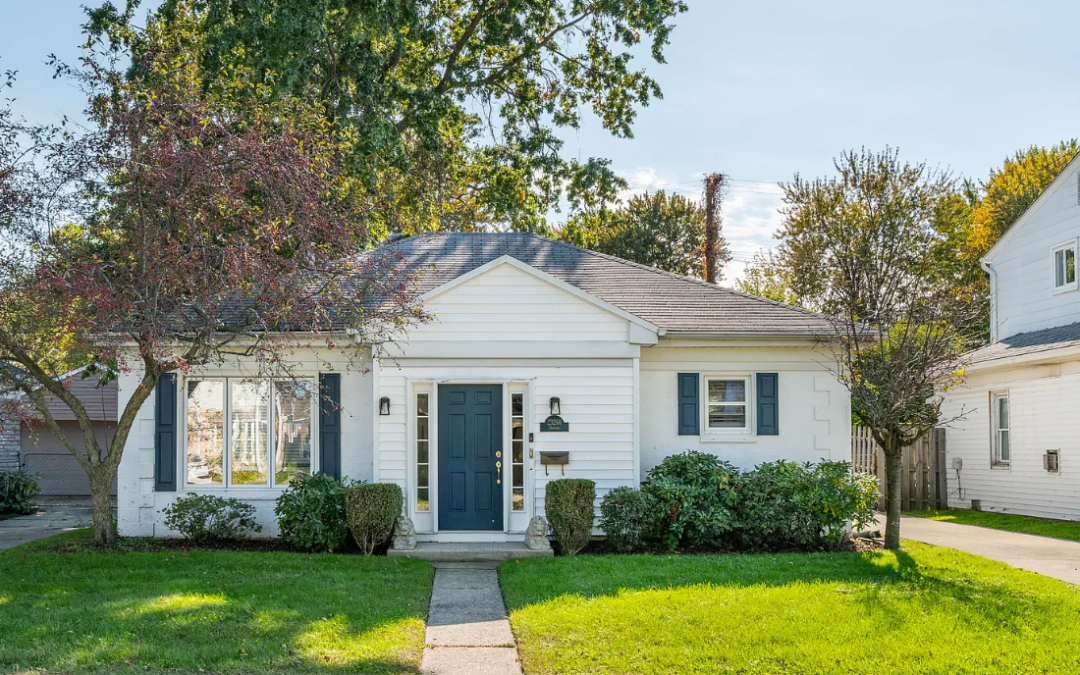
If you sell a house that is behind on property taxes, the delinquent balance does not disappear on its own. It follows the property, and in Michigan that balance keeps growing with interest, fees, and penalties the longer it sits unpaid. A sale is often possible before the county completes foreclosure, and in many situations it is the most straightforward way to clear the debt and protect whatever equity you have built. Understanding how the process works from title to closing check separates a seller who walks away clean from one who leaves value on the table. This article offers general information, and a Michigan attorney or your county treasurer can confirm the details for your property.
How Does a Delinquent Tax Balance Affect the Title and Any Potential Sale?
In Michigan, property taxes are secured by a tax lien on the property. Taxes generally become delinquent after the due date, and interest and penalties then begin to add up. That lien is senior to nearly every other claim on the home, including a first mortgage. This matters because no buyer can receive a clear title while the lien remains. A lender financing a buyer’s purchase will not close the deal, and even a cash buyer needs a clean chain of title before recording.
As a general timeline, unpaid taxes become delinquent in March of the following year, the county treasurer forfeits the property about a year later, and foreclosure follows after a redemption period that usually ends around March 31 of the second year. Confirm the exact dates for your parcel with the county treasurer.
What Does “Encumbered Title” Mean for a Seller?
An encumbered title means the property carries one or more outstanding claims. Delinquent taxes create one of the strongest encumbrances under Michigan law. When a title company or real estate attorney searches the title before closing, the delinquent balance, including accrued interest and administrative fees, appears as a lien that someone must resolve before the title can transfer. The finding does not block the sale. It makes the tax payoff a required step inside the closing.
Why Do Buyers and Lenders Require Title Clearance?
Title clearance for delinquent taxes is not optional on the buyer’s side. A buyer with a mortgage faces a lender requirement that no senior liens survive the closing. Even a cash buyer wants assurance that no county can later claim an interest in the property. That is why the title company generally handles the payoff directly from sale proceeds, not through a handshake between buyer and seller. The system makes the payoff automatic, which often works in the seller’s favor.
How Does Michigan’s Forfeiture Stage Complicate a Listing?
Once a Michigan property is forfeited, the county treasurer takes over collection and the redemption process moves forward. That does not prevent a sale, but it adds a step. The seller must account for the full redemption amount, which includes the original unpaid taxes, interest set by Michigan statute, and additional fees assessed during forfeiture. An offer must cover the total, or the title company cannot clear the lien and close. A shortfall means the sale cannot proceed unless someone covers the gap, which is unusual.
How Does the Payoff Work at Closing When Taxes Are Past Due?
The title company requests a payoff statement from the county treasurer’s office. It shows the exact dollar amount needed to redeem the property from delinquency as of a specific closing date. Title companies order it before closing so the numbers are precise, because interest on delinquent taxes often accrues daily or monthly.
What Role Does the Settlement Statement Play?
Every closing produces a settlement statement that itemizes every dollar flowing in and out of the transaction. In a financed sale, the form is a closing disclosure, and in a cash sale it is a settlement statement. On a property with unpaid taxes, the delinquent balance appears as a line item on the seller’s side and reduces the amount the seller receives. For a Dearborn home, the title company would request the payoff from the Wayne County Treasurer. The title company collects the full purchase price, pays the county treasurer directly, pays any mortgage payoff, covers closing costs, and distributes the remainder to the seller. The seller never handles the tax payoff money directly.
What Happens If the Sale Price Cannot Cover the Tax Debt?
This is where sellers sometimes run into trouble. As an illustration, suppose a Michigan homeowner owes three years of delinquent taxes plus penalties, and the property has declined in value. If the total owed to the county equals or exceeds what a buyer will pay, the seller’s net proceeds come out at zero or negative. In that situation, a traditional sale may not work unless the seller brings cash to the table to cover the shortfall or negotiates another resolution with the county. Review the numbers carefully before you accept any offer.
What Equity Remains After Taxes, Fees, and Closing Costs?
The amount a seller receives is what remains after all obligations attached to the sale are satisfied. For a tax-delinquent property, that list includes the redemption amount, any mortgage payoff, real estate agent commissions if applicable, title and settlement fees, and any other recorded liens. Understanding this calculation before you accept an offer is one of the most important steps a seller can take.
Which Costs Typically Reduce a Seller’s Net?
On a conventional listing with an agent, the seller typically pays a commission of about 5% to 6% of the sale price, split between the listing and buyer’s agents, though commissions are negotiable. Title insurance, escrow fees, and transfer taxes add to the cost. In Michigan, the state transfer tax and any county transfer tax typically come out of the seller’s proceeds as well. None of these should surprise you if you review a draft settlement statement before closing, but sellers who have not run the math in advance sometimes find the net lower than expected.
If you sell to a direct cash buyer instead, agent commissions generally do not apply, and the transaction can involve fewer ancillary fees. The trade-off is that a cash offer may come in below a financed retail offer. Whether the net favors a cash sale depends on how much the delinquency has grown, how the property shows, and how much time remains before the county’s foreclosure deadline.
What If Equity Is Thin or Absent?
The toughest scenario is a property where the delinquent tax balance, a mortgage, and closing costs consume all or nearly all of the sale price. In that situation, a seller must decide whether walking away with little or nothing is still better than losing the property to foreclosure and receiving nothing. For many homeowners, a clean exit with no remaining obligation is worth more than it looks on paper, because a completed foreclosure can damage credit and complicate future housing for years.
What Is the Cost of Delay?
Every month of inaction adds to the total owed. Penalties, interest, and additional fees can turn a manageable shortfall into a sale that cannot close. A property with enough equity to cover its obligations today may not have that cushion in six months. Run the numbers on a current payoff statement from the county, not on an estimate from what the tax bills showed a year ago.
We aim to help Michigan homeowners see a clear net-proceeds calculation from the start, so you know what to expect before you sign anything. If the property can support a sale that clears the delinquency, a sale often leaves you in control of the outcome. If you are at or near the point where a sale becomes financially impossible, knowing that now gives you time to explore other paths before the county closes them. For Michigan homeowners, understanding how to sell a house that is behind on property taxes before Michigan forecloses is what lets you decide with confidence instead of anxiety.
Frequently Asked Questions
Can I sell my house if the county has already started the forfeiture process in Michigan?
A sale is generally still possible after forfeiture begins. The full redemption amount owed to the county must be paid from the closing proceeds before the deed transfers with clear title. As long as the sale price covers that amount plus any other obligations, the transaction can close and resolve the forfeiture. Confirm your deadlines with the county treasurer or an attorney.
Will I receive any money from the sale if I owe a lot of back taxes?
Whether you receive proceeds depends on whether the sale price exceeds the total of all payoffs, including the tax redemption amount, any mortgage balance, and closing costs. If equity remains after those, you receive the difference at closing. Ask for a written breakdown of the numbers before you make a decision.
What if I want to sell for cash to avoid a long listing process when taxes are past due?
A cash buyer removes the financing contingency that can delay or end a sale, which matters when a county deadline approaches. The absence of agent commissions can offset some of the difference in offer price. The tax payoff still happens the same way at closing, however the buyer pays.