
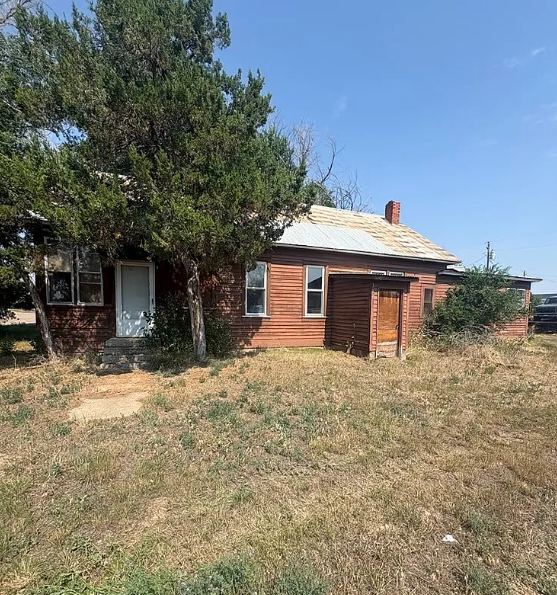
Selling a house with foundation problems is one of the more stressful situations a homeowner can face. Traditional buyers walk away, lenders decline to finance, and repair estimates come back higher than expected. If you own a Montana home with foundation damage and are considering a cash sale, the process differs from a standard transaction, and understanding each step can remove most of the uncertainty. This article offers general information, and a structural engineer or Montana real estate attorney can advise on your property.
How Do Cash Buyers Assess Foundation Damage When Making an Offer?
Many homeowners assume a cash buyer does a quick walkthrough and picks a number. The real process is more structured, and knowing how it works helps you evaluate any offer you receive.
What Does a Buyer Look At Before Naming a Price?
A buyer reviewing a home with foundation issues tries to understand two things: what the damage is and what it will cost to stabilize or repair. Those two factors drive the offer more than anything else.
Buyers typically check visible signs first, including floor slope, door and window alignment, gaps between walls and ceilings, and cracking patterns inside and outside. Diagonal cracks running from the corners of windows or doors often point to differential settlement, meaning the foundation is sinking unevenly. Horizontal cracks in a basement wall often indicate inward soil pressure, which is a different problem. Stair-step cracking in brick or block deserves serious attention too.
Montana’s freeze-thaw cycles and expansive soils in some regions add complexity. In a place like Bozeman, a crack that looks minor in summer may have widened significantly after a hard winter, and a careful buyer accounts for that.
How Do Repair Estimates Factor Into the Offer?
When foundation damage is visible, buyers typically base calculations on realistic contractor ranges for that work in the region. Common repair categories include crack injection and waterproofing for minor issues, helical or push piers for settlement, wall anchors or carbon fiber straps for bowing walls, and full underpinning for severe structural failure.
The offer generally reflects the home’s potential value after repair, minus the estimated repair cost, minus the cost and risk of carrying the property through the work. This is not a punishment formula. It is how a rational buyer prices a property that needs significant work before someone can sell or rent it at market value.
As an illustration, suppose a Montana homeowner has a property worth $280,000 fully repaired, and the foundation repair estimate comes in at $35,000 to $45,000. The buyer also absorbs contractor coordination, permitting, and the chance that the work uncovers more problems. All of that goes into math. The figures are illustrative.
What Role Does a Foundation Specialist Play?
For significant damage, a buyer may bring in a structural engineer or foundation contractor before finalizing an offer. That step is meant to protect both sides. An engineer’s report gives an accurate repair scope, so the offer reflects the home’s real condition instead of a worst-case assumption. Sometimes the review shows the damage is more manageable than it appeared, which can lead to a stronger offer.
What Happens During Due Diligence When No Lender Is Involved?
In a traditional sale, the lender’s appraisal and underwriting add layers of scrutiny to any structural issue. A cash purchase removes those layers, but due diligence does not disappear. It just looks different.
What Does the Due Diligence Period Cover?
During due diligence in a cash sale, the buyer confirms the information gathered before the offer. That typically includes a physical walkthrough, a review of any existing inspection reports or engineer assessments you have, a title search to confirm a clean transfer, and a final check of the repair scope if conditions changed after the first visit.
You do not need to fix anything during this period. If you want to sell as-is, this is the stage where the parties confirm that agreement in writing. The purchase contract states that the buyer takes the property in its current condition and that no repair contingencies apply to the seller before closing.
What Does a Cash Buyer Typically Not Require?
Unlike a financed buyer, a cash buyer generally does not require a home inspection as a condition of closing, does not require the seller to bring the foundation up to a particular standard, and does not need a lender appraisal that meets a minimum value threshold. Buyers do usually want to know about past unpermitted work, even if they do not require permits to be pulled retroactively.
This is where a cash purchase differs most from a conventional one. The deal runs between the seller and the buyer, and no third-party lender decides whether the property qualifies for financing.
How Do Title and Closing Coordination Work?
Even without a lender, the title process follows the same legal path. A title company or real estate attorney, depending on local practice, conducts a title search, prepares closing documents, and handles the transfer of funds. Foundation damage does not affect the title process itself unless liens relate to past unpermitted work or unresolved contractor disputes. If something like that surfaces, the parties can often work through it, though terms vary.
What Are the Steps From Accepted Offer to Closing for a Foundation Problem Sale?
Once both sides agree on price and terms, the path to closing follows a predictable sequence.
Step One: What Does the Signed Purchase Agreement Cover?
The agreement locks in the price, the closing date, and the as-is terms. For a property with significant structural damage, it typically also describes the known condition in specific language, which protects both parties and reduces the chance of a later dispute.
Step Two: What Do the Title Search and Preliminary Report Show?
The title company begins its search right after the contract is signed. In Montana, a title company often handles closing instead of an attorney, though practice can vary by county. The preliminary report shows existing liens, easements, and encumbrances. Most are routine, and some need resolution before the deed can transfer cleanly.
Step Three: What Happens at the Final Walkthrough?
Before closing, the buyer does a final check. It is meant to confirm that the home’s condition matches what the parties described and agreed on, not to reopen negotiation. If something changed, for example a burst pipe that worsened foundation moisture, the parties would discuss it.
Step Four: What Happens at Closing?
At the closing table, you sign the deed and transfer documents, and the title company disburses the funds. In a cash transaction, no loan funding delay applies, so the timeline usually depends on how quickly the title work finishes. When you sell as-is to a cash buyer, you leave the table with the sale final and your proceeds in hand.
Selling a Montana home with foundation damage does not have to mean a drawn-out, repair-first process. A cash sale offers fewer moving parts, no lender inspection hurdles, and a closing built around your timeline instead of a bank’s requirements. We aim to give you a clear picture of what you will receive and what comes next before you sign anything. For Montana homeowners, understanding how cash buyers evaluate and buy homes with foundation problems is the clearest way to judge any offer you receive.
Frequently Asked Questions
Will a cash buyer automatically lowball a home with foundation problems?
A well-calculated offer reflects the real cost of repair and the risk involved, not an arbitrary discount. Offers vary with the type and severity of the damage, the home’s location, and the after-repair value in that market. Ask for an itemized breakdown of how the buyer calculated the offer so you can judge whether it is fair.
How does selling with foundation problems to a cash buyer differ from listing on the MLS?
On the open market, foundation issues often trigger lender rejections, buyer contingencies, and extended negotiations over repair credits. A cash buyer purchases the property in its current condition, so no lender-required repairs or financing contingencies can collapse the deal at the last stage, though title and contract terms still matter.
What documents should a Montana homeowner have ready when working with a cash buyer?
Gather any foundation inspection reports, structural engineer assessments, past repair invoices, and your most recent property tax records. If open permits or unresolved contractor liens exist, knowing about them before the offer stage lets both sides plan around them instead of discovering them during the title search.