
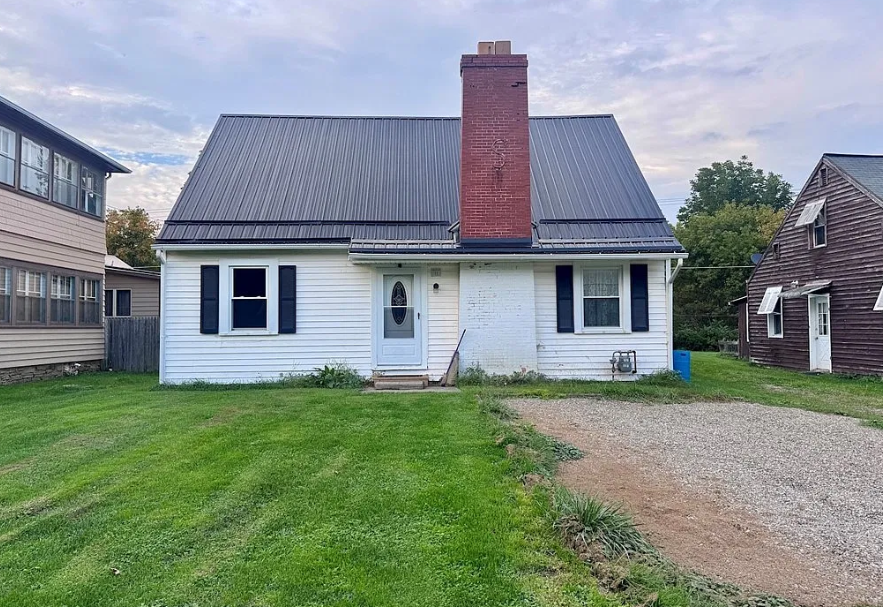
When you are behind on mortgage payments, deciding how to sell your home is about more than price. It is about whether the path you choose can close before the situation gets worse. For New York homeowners facing mortgage delinquency, the gap between a cash sale and a traditional listing is wider than most people expect, and the wrong path at the wrong stage can cost more than an agent’s commission ever would. This article offers general information, and a New York foreclosure attorney can advise on your case.
Two options exist, and both are legitimate. They serve different stages of delinquency, different financial goals, and different timelines. Understanding where they differ, in net dollars and risk as well as speed, is what makes this decision possible to get right.
Why Does a Cash Sale Often Close Faster Than a Traditional Listing in New York?
The speed difference comes from structure, not buyer motivation. A traditional listing runs through a financing chain: a buyer makes an offer, a lender underwrites it, an appraiser evaluates the property, and a title company clears any issues. In New York, where judicial foreclosure runs through the court system, that timeline pressure turns each link in the chain into a potential breaking point.
How Does the Financing Chain Break Deals?
When a buyer uses a mortgage, the lender orders an appraisal. If your property has deferred maintenance, water damage, a dated roof, or structural issues, the appraisal can come in below the offer price. Then the buyer renegotiates, asks for repairs, or walks away. Under delinquency pressure, none of those outcomes is neutral, because each adds time you may not have.
A cash buyer does not use a lender, so no appraisal contingency, mortgage underwriting, or loan approval applies. The path narrows to a title search, a property review, and a signed contract, which is a materially shorter process.
What Does “As-Is” Mean for a Delinquent Seller?
An as-is sale means the buyer accepts the property in its current condition and does not ask you for repairs or credits before closing. That matters when you are behind on payments, because many homeowners in delinquency have also deferred maintenance. A traditional listing can still be as-is, but financed buyers often request repairs after inspection, and their lenders can require certain fixes before approving the loan.
A cash buyer focused on distressed properties usually prices the condition into the offer from the start. Without an inspection contingency to open a renegotiation window, what the parties agree on is more likely to be what closes.
How Does the New York Foreclosure Timeline Interact With Listing Timelines?
New York uses judicial foreclosure, so a lender must file a lawsuit and move through the courts before a foreclosure auction can occur. At each stage, your options shift. When a foreclosure and a listing overlap, an agent-assisted sale gets harder, because buyers and their lenders can see the lis pendens, the public notice of the foreclosure action, in a title search. Some conventional lenders hesitate to finance a property with an active foreclosure filing, which can shrink the pool of financed buyers.
Cash buyers face fewer restrictions. They can often close on a property with an active filing, provided the sale proceeds clear the title at closing.
What Do Costs and Net Proceeds Look Like: Cash Offer vs. Agent Commission and Repair Requests?
Many homeowners compare a cash offer with a list price, which is the wrong comparison. The right one sets the cash offer against the net proceeds of a traditional sale after you subtract every cost.
What Does a Traditional Sale Cost You?
A traditional listing in New York typically involves these costs:
- Agent commission: seller-side commission is commonly a percentage of the sale price, and industry changes have shifted how commissions are structured, so budget for meaningful compensation
- Closing costs: sellers typically pay New York’s transfer tax and attorney fees, and transfer tax rates can be significant on higher-value properties (the mortgage recording tax generally falls on the buyer’s new mortgage)
- Repairs and concessions: even a modest buyer request for a credit or repair can reduce net proceeds by several thousand dollars
- Carrying costs: every month the home sits listed, missed payments, late fees, and interest on your arrears can keep growing
Carrying costs are the category most sellers ignore. If your delinquency grows by hundreds of dollars each month while a listing sits, a higher sale price can evaporate before you see a check.
What Does a Cash Offer Cost You, and What Do You Gain?
A cash buyer typically offers less than market value, and you should expect that. The trade-off is the removal of many variable costs: no agent commission, fewer repair demands, no financing contingency, and no extended listing period. Some cash buyers also cover part of the closing costs, though that varies, so confirm it in writing.
The better question is not whether the cash offer is lower. It is what you net after every cost on each path. For a homeowner already several months behind, the carrying cost of a failed or long listing can close much of that gap.
Which Option Makes Sense Depending on How Far Behind You Are?
The right path depends largely on how many payments you have missed and what stage the lender has reached. The stages below are a general guide, not a legal rule.
What If You Are One to Two Payments Behind?
At this stage, you may still have time for a traditional listing if your home is in good condition and you have meaningful equity. A well-priced listing in a healthy New York market can draw an offer fairly quickly. The risk is that a listing that sits for 60 or 90 days while negotiations drag on pushes you deeper into delinquency. If you are already in touch with your lender and have some flexibility, listing with an agent is a realistic option to evaluate.
This is also the stage where other help is most available, including forbearance, repayment plans, and loan modifications. A sale may not be necessary if one of those fits your situation.
What If You Are Three to Five Payments Behind?
At this stage, a foreclosure filing may be imminent or already underway. A cash sale becomes more compelling, because a traditional sale’s timeline may not line up with the foreclosure process. An agent-assisted sale remains possible, but the margin for error shrinks. If a financed buyer walks away after inspection, you may not have time to find a replacement before the next legal step.
For a Buffalo homeowner at this stage, for example, a cash sale may still produce enough to clear your arrears, pay off the mortgage, and avoid a foreclosure on your record, depending on your equity.
What If Someone Has Filed a Lis Pendens or Foreclosure Summons?
Once someone records a lis pendens in New York, it appears in a title search. Many financed buyers and their lenders will hesitate to proceed with an active foreclosure filing, so the realistic buyer pool at this stage often narrows toward cash buyers. A cash sale can be one of the more reliable ways to sell before the foreclosure is complete, end the legal process, and preserve remaining equity.
An agent can still list the property, but the listing must disclose the filing, and conventional buyers will often pass. What looks wide open at this stage is in practice narrower than it appears.
When New York homeowners weigh listing against a cash offer, the realistic answer depends on three factors: how much equity you have, how far into delinquency you are, and how far the New York foreclosure court process has moved. A traditional sale nets more on paper when everything lines up, but every delay under delinquency carries a real dollar cost. Many sellers in this situation do better when they understand the full cost picture before they commit to either path. A cash sale is not right for everyone, but for a homeowner in active foreclosure, it is often the path most likely to close and return money to you. For New York homeowners, understanding whether to choose a cash sale or an agent listing when you are behind on mortgage payments is the clearest way to protect your equity.
Frequently Asked Questions
Will a cash offer always be lower than what an agent can get me on the open market?
A cash offer is typically below what a financed buyer might pay at peak market conditions, but compare net proceeds, not list price. After you subtract agent commissions, repair concessions, closing costs, and the carrying cost of months of continued delinquency, the real difference narrows. The true gap depends on your equity, the home’s condition, and how long a traditional listing would realistically take.
Can I still sell my house for cash if a foreclosure lawsuit has already been filed in New York?
Selling during an active foreclosure is often possible in New York, as long as the sale closes before the foreclosure sale occurs and the proceeds cover the mortgage balance and outstanding fees. A title company can handle the mortgage payoff from the closing proceeds. At this stage, coordinate with your lender and an attorney.
What happens to the money I owe in arrears if I sell?
Your outstanding mortgage balance, including accrued arrears and fees, is paid off at closing from the sale proceeds. You do not need to bring cash to the table if the sale price exceeds your total payoff. If you owe more than the home is worth, a different path, such as a short sale or a negotiation with your lender, would be needed before a standard sale can close.