
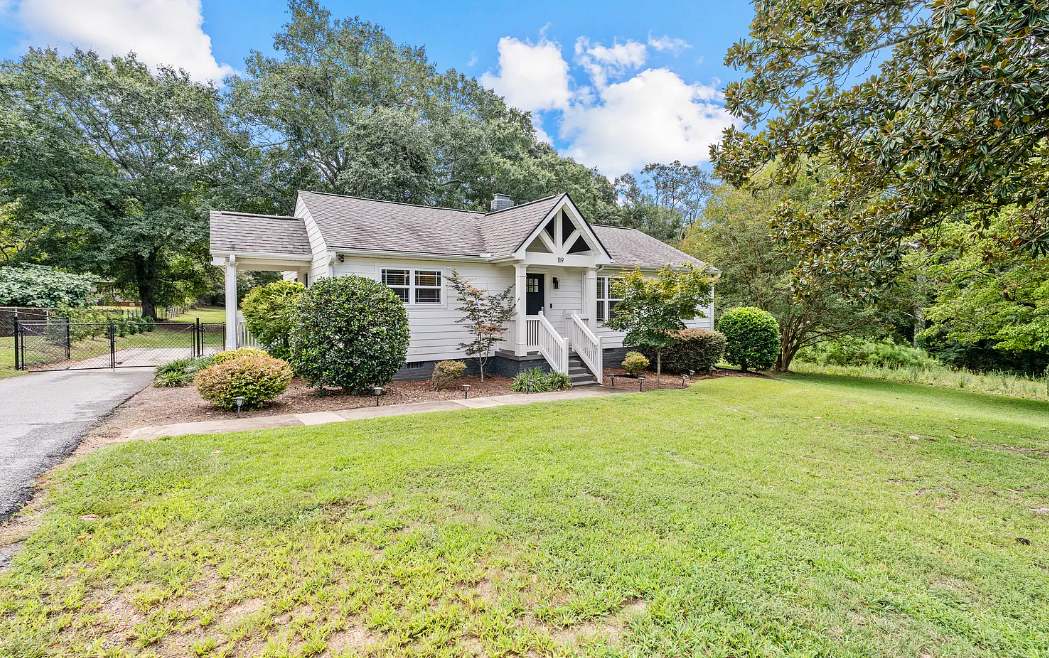
Inheriting a house often feels like two things arriving at once: grief and paperwork. Before you can sell an inherited home in South Carolina, certain legal steps generally need to be completed first. Most of those steps run through the probate court system, and understanding which steps unlock the right to sell can save you weeks of confusion and avoidable mistakes.
What South Carolina Probate Court Generally Requires from an Heir
Probate is the legal process that transfers a deceased person’s assets to the right people. In South Carolina, it is supervised by the Probate Court in the county where the deceased person lived at the time of death. Before an heir can sign a sales contract on inherited real estate, the estate generally needs an authorized representative with the legal standing to act.
Opening the Estate
The first filing is a petition to open the estate. This goes to the county probate court along with the original will, if one exists, and the death certificate. The court reviews the documents, confirms that the will is valid, and appoints a personal representative, the South Carolina term for what many states call an executor or administrator.
If the deceased left a valid will naming a personal representative, the court typically confirms that person. If there is no will, the court generally appoints an administrator, often a close surviving heir, under the state’s intestate succession rules.
Letters Testamentary and Letters of Administration
Once the court appoints a personal representative, it issues a document called letters testamentary (if there was a will) or letters of administration (if there was no will). These are the legal documents that typically give the personal representative authority to manage and transfer estate assets, including real property.
Without this document, title companies and closing attorneys are unlikely to move forward with a sale, and a buyer may not be able to receive clear title. It is one of the most important pieces of paperwork in the process.
Notifying Creditors and Settling Debts
South Carolina requires the personal representative to publish a notice to creditors and give known creditors a formal period to file claims against the estate. Confirm the exact length of that period with the probate court or an attorney. Real estate generally cannot be sold free and clear of estate debts until the claim period has expired or debts have been resolved. If the estate owes more than its liquid assets can cover, the personal representative may need to sell the real estate to pay those debts before distributing anything to heirs.
The Difference Between Full Probate and Small Estate Affidavit in South Carolina
Not every estate requires full probate administration. South Carolina offers a simplified process for smaller estates, and understanding which path applies to you can change your timeline.
Full Probate
Full probate generally applies when the probate estate (assets that do not pass by beneficiary designation or joint ownership) exceeds a certain threshold, or when the estate includes real property that must be formally transferred. Real estate commonly requires some level of court involvement because a deed transfer requires documented legal authority. Full probate typically involves opening the estate, appointing a personal representative, issuing letters, notifying creditors, inventorying assets, paying valid debts, filing an accounting with the court, and eventually closing the estate.
Small Estate Affidavit
South Carolina allows heirs to use a small estate affidavit when the value of the personal property left by the deceased is under a statutory limit and no personal representative has been appointed. This process allows heirs to collect certain assets, such as bank accounts or vehicles, without going through full probate. However, a small estate affidavit generally does not transfer real property. If the inherited house is the main asset, an affidavit alone is unlikely to authorize you to sell it, and you may still need to open a probate proceeding.
When the Property Was Held Jointly or in Trust
If the deceased owned the property as a joint tenant with right of survivorship, or if the property was held in a revocable living trust, it may pass outside of probate. In those situations, the surviving owner or trustee may already have the authority to sell without court involvement. Confirming how title was held is a good first question for a closing attorney before assuming probate is required.
When Can You List or Sell the Property During Probate
This is where many heirs get stuck. The question is not just whether the estate is open. It is whether the right person has the right authority at the right stage.
Listing the Property
In South Carolina, the personal representative can generally list a property for sale after receiving letters testamentary or letters of administration. That means they may be able to accept an offer and negotiate terms while the estate is still open, before all creditor claims are resolved. Listing early can be practical, especially if the property is carrying ongoing costs.
Signing a Contract
Signing a purchase contract is generally possible once letters have been issued. Say a Greenville heir has just been appointed personal representative of a parent’s estate and receives an offer on the family home. They may be able to sign a contract, but the sale typically cannot close until the estate has satisfied enough of its legal obligations to deliver clear title. A contract with a flexible closing date can help bridge this gap, which is one reason a cash home buyer familiar with probate sales can simplify things. A cash buyer can often agree to a timeline that lines up with the estate’s progress rather than a rigid mortgage approval window.
Closing the Sale
The closing and transfer of the deed generally require that the personal representative have authority to convey, that debts against the estate are either paid or handled through the closing proceeds, and that clear title can be delivered to the buyer. In some South Carolina probate sales, the court may need to approve the sale before it can close, particularly when heirs are minors or when there are disputes about the estate. A closing attorney can tell you whether a court order is required in your situation.
If the goal is to sell the inherited house and distribute proceeds to heirs, the typical sequence is: letters issued, property listed, contract signed, debts resolved, and then closing with a deed signed by the personal representative.
Completing the Sale and Moving Forward in South Carolina
By the time you reach closing, you should have letters in hand, a clear understanding of any liens or creditor claims against the estate, and a closing attorney coordinating the deed transfer. At Sell My House Easy Fast, we work with heirs at various stages of this process. Some contact us early, before the estate is even open. Others are further along and want a clear path to closing without the delays of a traditional listing.
Working with a cash home buyer means the sale does not depend on a buyer obtaining mortgage financing, which can remove one common reason probate sales stall at the contract stage. Whether the estate is fully administered or still in progress, understanding your legal standing is the first step. Once you have the letters in hand and a closing attorney lined up, the path to selling inherited property in South Carolina can become more straightforward. The paperwork feels heavy at first, but each step is knowable, and knowing what comes next is what moves things forward.
Frequently Asked Questions
Can you sell an inherited house before probate is finished in South Carolina?
Listing the property and signing a contract may be possible after the personal representative receives letters testamentary or letters of administration, even while the estate remains open. The closing and deed transfer, however, generally cannot occur until the estate can deliver clear title, which usually means that debts and creditor claims are resolved or covered by the closing proceeds.
How long does probate take in South Carolina before a house can be sold?
The timeline depends on whether the estate is contested, how quickly the personal representative files the required documents, and how long the creditor notice period runs. A probate attorney can explain the timeline for your specific estate.
What happens if multiple heirs inherit a property in South Carolina and not everyone wants to sell?
When heirs disagree about whether to sell, the personal representative may still control the decision during active estate administration if the estate needs to sell to pay debts. Once the property is distributed to heirs, a disagreement between co-owners is a separate legal matter about each heir’s ownership rights and may require a court partition action if no agreement is reached.