
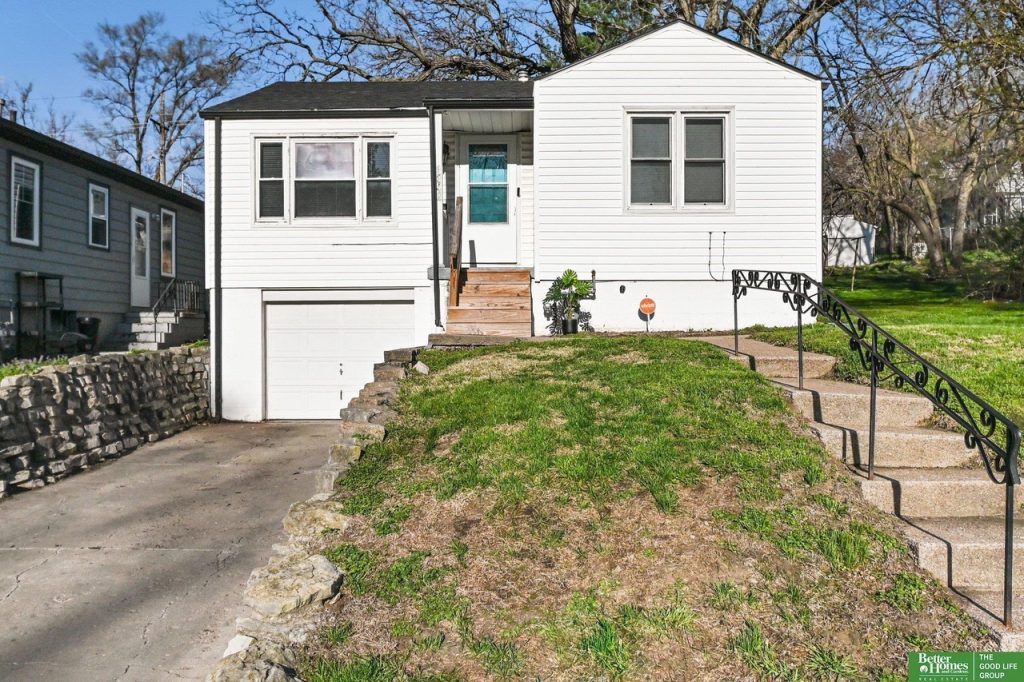
Selling a house in Omaha, NE due to relocation is rarely optional. Whether you are following a job transfer, responding to PCS orders from Offutt Air Force Base or another branch, or moving for family reasons, the timeline is set for you. Unlike a discretionary sale, a relocation home sale puts speed above maximum sale price, and every day your Omaha home sits empty adds real financial exposure.
What Happens to Your Omaha Home If You Relocate Before It Sells?
A home left behind after relocation faces immediate and compounding risks that most sellers do not fully anticipate before they leave. The moment you move out, the property shifts from an occupied home to a vacant liability, and the clock starts on several serious problems at once.
Your Insurance Coverage May Not Follow You
Standard homeowner’s insurance policies often treat vacancy as a material change in risk. Most carriers will void or significantly limit coverage after 30 to 60 days of vacancy, which means a pipe burst, fire or vandalism claim could go unpaid. If you are selling house due to relocation and expect the process to take longer than a month, contact your insurer before you leave to ask about a vacancy endorsement or a separate vacant property policy.
The gap in coverage is not theoretical. Vacant homes are targeted for theft, copper pipe stripping and general vandalism at higher rates than occupied ones. An HOA violation notice or a liability claim from someone injured on an unattended property can follow quickly after that.
Your Job Start Date and Closing Date May Not Line Up
The average notice period given to employees before a work relocation is two to six weeks. A traditional MLS listing in the Omaha real estate market typically takes 20 to 40 days just to reach a signed contract, and then another 30 to 45 days to close. That means a seller using a conventional listing can easily face a 60 to 90 day gap between departure and closing.
When your job start date precedes your closing date, the timeline conflict risk is high. You may find yourself paying rent or a mortgage in a new city while still carrying a mortgage in Douglas County or Sarpy County. That financial pressure builds fast.
Employer Packages and Military Benefits Rarely Close the Gap Entirely
Some employers offer corporate relocation packages that include home sale assistance. Common structures include the Buyer Value Option, the Guaranteed Buyout and direct reimbursement programs. A Guaranteed Buyout typically takes 60 to 90 days from offer acceptance, and even then, employer assistance is partial and rarely covers the full seller-side closing costs.
Military homeowners with PCS orders have some protection under the Servicemembers Civil Relief Act, which can provide limited mortgage relief during a relocation. VA loans carry no prepayment penalty, so paying off the loan at closing is straightforward. Still, SCRA provisions do not eliminate carrying costs or speed up a slow sale.
What Are the Real Costs of Carrying an Omaha Home While Living in Another City?
Carrying costs on a vacant Omaha home typically run between $1,500 and $3,500 per month, and they begin the day you leave. Over three months, that exposure reaches $4,500 to $10,500 before any repairs, price reductions or agent commissions enter the picture.
The Monthly Carrying Cost Stack Adds Up Faster Than Most Sellers Expect
The components of a vacant home’s monthly carrying cost are straightforward: mortgage payment, property taxes, homeowner’s insurance, utilities, and lawn or snow maintenance. In Nebraska, snow removal alone in winter months can be a recurring expense that surprises out-of-state sellers managing the property remotely.
None of these costs stop because you are no longer living there. Property taxes accrue regardless, utilities must stay on to protect pipes and systems, and a lawn left uncut sends signals to neighbors and potential buyers alike. Omaha job transfer housing situations often involve sellers who underestimate how much this stack costs until they receive the first round of bills from two addresses.
Repairs and Prep Work Become Much Harder from a Distance
The decision to repair or sell as-is takes on a different weight when you are no longer local. For a relocation seller with less than 30 days before departure, the return on pre-listing repairs is often negative. Coordinating contractors, inspections and staging from another city adds complexity and delays that eat into any price gain the repairs might have produced.
A cash offer for a relocating homeowner typically reflects a 10 to 15 percent discount below after-repair value, but that discount should be weighed against the months of carrying costs, the cost of repairs and the uncertainty of a traditional listing timeline. For many sellers, an as-is home sale in Omaha nets a comparable or better outcome once all costs are counted.
Remote Closing Tools Make It Possible to Sell Without Returning to Nebraska
Nebraska has authorized Remote Online Notarization, which means a seller does not need to be physically present in Omaha to close. With RON, an overnight document courier or a properly arranged Power of Attorney, a cash sale closing can be completed from wherever you have already relocated.
Cash home buyers in the Omaha metro, including those serving Douglas County and Sarpy County, can often deliver an offer within 24 to 48 hours of a walkthrough or virtual assessment and close in as few as 7 to 14 days. That closing speed sidesteps the timeline conflict that creates so much financial stress in a traditional relocation sale.
One additional financial detail worth knowing: the IRS allows a partial capital gains exclusion under Section 121 when a home sale is due to work relocation, even if you have not met the full two-of-five-year primary residence requirement. The standard exclusion is $250,000 for single filers and $500,000 for married couples filing jointly. If you do not meet the full residency test, consult a tax professional about your eligibility under IRS Publication 523 and Form 8949 before closing. Moving expense deductions at the federal level are now limited to active-duty military only under the Tax Cuts and Jobs Act, so most civilian relocation sellers should not count on that deduction.
Frequently Asked Questions
How long can a home sit vacant before insurance coverage becomes a problem?
Most standard homeowner’s insurance policies limit coverage after 30 to 60 days of vacancy. After that window, claims for fire, theft or water damage may be denied. Sellers who expect a listing to take longer than one month should contact their insurer before leaving to ask about a vacancy endorsement or a separate vacant property policy.
Does a cash sale actually save money compared to a traditional listing for relocation sellers?
A cash sale can save more money than the lower offer price suggests once all costs are counted. Carrying costs of $1,500 to $3,500 per month over two or three months, combined with repair costs and agent commissions, often close or exceed the gap between a cash offer and a traditional sale price.
Can a relocation seller close on their Omaha home without traveling back to Nebraska?
A relocation seller can complete a closing without returning to Nebraska. The state has authorized Remote Online Notarization, which allows documents to be signed and notarized digitally from any location. A Power of Attorney is another option that lets a designated person sign closing documents on the seller’s behalf in Omaha.