

When homeowners decide to buy cash home transactions, they enter a world of simplified real estate deals that eliminate traditional financing hurdles. Cash home purchases have become increasingly popular among both buyers and sellers who want faster closings, fewer contingencies, and more straightforward transactions. Whether you’re a seller considering a cash offer or simply exploring your options, understanding how these transactions work can help you make informed decisions about your property. The cash home buying market has evolved significantly, offering legitimate opportunities for homeowners who need quick solutions or want to avoid the complexities of traditional real estate sales.
Understanding Cash Home Transactions
A buy cash home transaction fundamentally differs from conventional real estate sales because it eliminates mortgage lenders from the equation. When buyers purchase properties with cash, they use liquid funds rather than borrowed money to complete the purchase. This distinction creates a ripple effect throughout the entire transaction process.
Traditional home sales typically involve mortgage applications, bank appraisals, underwriting processes, and conditional approvals that can extend timelines by weeks or months. Cash transactions bypass these requirements entirely. The buyer simply verifies proof of funds, conducts their due diligence, and transfers money at closing.
Who Buys Homes for Cash
Several types of buyers participate in the cash home market:
- Professional real estate investors who purchase properties to renovate and resell
- Investment companies seeking rental properties for their portfolios
- Individual buyers with substantial liquid assets who prefer avoiding mortgage processes
- iBuyers using technology platforms to make instant offers
- Cash home buying companies that specialize in quick purchases
Each category operates differently, but all share the common characteristic of having readily available funds. Professional cash buyers often focus on distressed properties, homes needing repairs, or situations where sellers need expedited timelines.

Benefits of Cash Home Sales for Sellers
Homeowners who accept cash offers gain several distinct advantages that traditional sales cannot match. Speed ranks as the most significant benefit, with many cash transactions closing in as little as seven to fourteen days. Selling your Omaha home as-is or to a cash buyer provides options when traditional timing doesn’t work.
Transaction Speed and Certainty
Cash buyers eliminate the mortgage contingency, which represents the primary reason traditional deals fall through. According to industry research, approximately 10-15% of financed home sales fail to close due to financing issues. Cash transactions carry significantly lower failure rates because buyers already possess the necessary funds.
The timeline compression benefits sellers in multiple scenarios:
- Job relocations requiring immediate moves to new cities
- Financial distress situations, including foreclosure prevention
- Inherited properties where heirs want quick liquidation
- Divorce settlements need asset division
- Property downsizing for retirement or lifestyle changes
When sellers need to move quickly, the certainty of a cash offer provides peace of mind that financed offers cannot guarantee.
Reduced Costs and Complications
Cash home sales typically involve fewer costs for sellers. Traditional sales require homeowners to invest in repairs, staging, and updates to compete in the market. Cash buyers, particularly professional investors, often purchase properties in as-is condition.
| Expense Category | Traditional Sale | Cash Sale |
|---|---|---|
| Repairs & Updates | $5,000 – $25,000+ | $0 |
| Staging | $2,000 – $5,000 | $0 |
| Agent Commission | 5-6% of the sale price | Often $0 |
| Closing Timeline | 30-60+ days | 7-14 days |
| Sale Contingencies | Multiple | Minimal |
The financial savings extend beyond upfront costs. Sellers maintaining vacant properties save on utilities, insurance, property taxes, and maintenance during the extended period between listing and closing. What happens to your Omaha home after you relocate illustrates the ongoing expenses of property ownership.
The Cash Home Buying Process
Understanding how cash buyers operate helps sellers evaluate offers and navigate transactions smoothly. The process follows a predictable pattern, though specific steps may vary by buyer type and local market conditions.
Initial Contact and Property Assessment
Most cash home transactions begin with the seller reaching out to a cash buyer or receiving an unsolicited offer. During initial conversations, buyers gather essential property information, including location, square footage, condition, and the seller’s timeline.
Reputable cash buyers conduct property evaluations either through in-person visits or virtual assessments. They examine structural elements, mechanical systems, cosmetic condition, and neighborhood comparables. This assessment informs their offer calculation.
Professional buyers typically evaluate properties based on:
- After-repair value (ARV) in the current market
- Estimated repair costs to bring the property to market standard
- Holding costs, including taxes, insurance, and utilities
- Desired profit margin for their business model
- Market conditions affecting resale potential
Offer Presentation and Negotiation
Cash buyers usually present offers within 24 to 48 hours of property assessment. Unlike traditional buyers who may take days to submit offers through agents, cash buyers streamline this process considerably.
Offers include several key components:
- Purchase price based on property assessment
- Closing timeline meeting seller’s needs
- Proof of funds demonstrating the buyer’s financial capacity
- Contract terms specifying an as-is condition
- Minimal or no contingencies
Sellers should review offers carefully, understanding that cash offers typically come in below market value for properties in excellent condition. The trade-off involves speed, certainty, and convenience rather than maximum price.

Due Diligence and Inspections
Even in as-is sales, cash buyers conduct due diligence to identify potential issues. However, inspection contingencies differ significantly from traditional sales. Cash buyers rarely request repairs or credits based on inspection findings, since they have factored the property’s condition into their original offer.
The due diligence period typically lasts 5 to 10 days and may include:
- Professional home inspections
- Title searches and lien verification
- Environmental assessments for older properties
- Survey verification of property boundaries
- Municipal code compliance checks
Sellers benefit from this abbreviated timeline because they’re not waiting for appraisals required by mortgage lenders or dealing with multiple rounds of negotiations over inspection items.
Verifying Legitimate Cash Buyers
Not all cash buyers operate with the same integrity and professionalism. Sellers must distinguish between reputable buyers and potential scammers or inexperienced operators who may not close successfully.
Red Flags to Watch
Several warning signs indicate problematic buyers:
- Requests for upfront fees before closing
- Pressure tactics demanding immediate decisions
- Unclear company information without verifiable business credentials
- Reluctance to provide references or proof of funds
- Contracts with unfavorable terms buried in fine print
Legitimate cash buyers willingly provide references, proof of funds, and clear contract terms. They operate transparently and give sellers a reasonable time to review offers and consult with attorneys if desired.
Verification Steps for Sellers
Sellers protect themselves by taking several precautionary measures:
Research the buyer’s reputation through online reviews, Better Business Bureau ratings, and local real estate professionals. Established companies have track records demonstrating their reliability and professionalism.
Request and verify proof of funds showing the buyer possesses sufficient cash to complete the purchase. This documentation typically comes from bank statements or letters from financial institutions.
Consult with a real estate attorney before signing contracts, especially for sellers unfamiliar with cash transactions. Legal review costs pale in comparison to potential losses from problematic deals.
Check licensing and registration requirements in your state. While not all cash buyers need real estate licenses, they should operate as registered business entities.
Market Conditions Affecting Cash Sales
The buy cash home market responds to broader economic trends, interest rates, and local real estate conditions. Understanding these factors helps sellers time their decisions and evaluate offers appropriately.
Interest Rate Environment
When mortgage interest rates rise, cash buyers gain a competitive advantage over financed buyers. Higher rates reduce purchasing power for traditional buyers, creating opportunities for cash investors to negotiate better prices. Conversely, low-rate environments increase competition from financed buyers, potentially driving up property values.
In 2026, fluctuating interest rates continue to influence buyer behavior. Sellers should monitor these trends when considering cash offers versus waiting for traditional buyers.
Local Market Dynamics
Real estate remains fundamentally local, with neighborhood conditions affecting cash buyer interest and offer amounts. Properties in areas experiencing growth, redevelopment, or strong rental demand attract more competitive cash offers.
Factors influencing local cash markets include:
- Employment growth and economic stability
- School district quality and ratings
- Crime statistics and safety perceptions
- Infrastructure improvements and development plans
- Housing inventory levels and days on market
Cash buyers often target specific neighborhoods based on their investment strategies. Properties in established areas with consistent demand may receive higher offers than homes in declining or uncertain markets.
Alternatives to Consider
Before accepting a cash offer, sellers should evaluate all available options to ensure they make the best decision for their circumstances. While buy cash home transactions offer unique benefits, they’re not always the optimal choice.
Traditional Sales Comparison
Selling through traditional methods with a real estate agent may yield higher sale prices, particularly for homes in good condition in desirable areas. The trade-off involves longer timelines, preparation costs, and potential deal failures.
| Consideration | Cash Sale | Traditional Sale |
|---|---|---|
| Timeline | 7-14 days | 30-90+ days |
| Sale Price | Below market value | Market value or above |
| Seller Preparation | Minimal | Extensive |
| Certainty | High | Moderate |
| Best For | Quick sales, as-is properties | Maximum profit, good condition |
Sellers with time flexibility and properties in excellent condition often benefit more from traditional sales. Those facing time constraints, property issues, or financial pressures find cash sales more advantageous.
Hybrid Approaches
Some sellers combine strategies by listing traditionally while simultaneously entertaining cash offers. This approach provides options and leverage. If traditional buyers don’t materialize quickly, the cash offer serves as a backup plan.
Another hybrid strategy involves making minimal repairs to increase property value before selling to a cash buyer. While cash buyers purchase as-is properties, addressing obvious defects sometimes increases offer amounts enough to justify the investment. Property owners considering repairs should consult with contractors experienced in investment properties; companies like Texcore Construction can assess whether roofing repairs might improve cash offers on properties with visible damage.
Tax Implications and Financial Considerations
Cash-home transactions carry the same tax implications as traditional sales, but the compressed timeline affects planning and preparation. Sellers should understand these financial aspects before accepting offers.
Capital Gains Considerations
Homeowners who lived in their property as a primary residence for two of the past five years may qualify for capital gains exclusions up to $250,000 for individuals or $500,000 for married couples filing jointly. This exclusion applies regardless of whether the sale is cash or financed.
Sellers who don’t meet the residency requirement or exceed the exclusion limits face capital gains tax on their profits. The tax rate depends on holding period and income level:
- Short-term capital gains (properties held less than one year) are taxed as ordinary income
- Long-term capital gains (properties held more than one year) receive preferential tax rates
The rapid closing timeline of cash sales requires sellers to plan for tax payments sooner than traditional sales. Consult with tax professionals to estimate obligations and set aside appropriate funds.
Proceeds Management
Receiving large cash sums requires thoughtful financial planning. Sellers should consider several strategies for managing proceeds:
- Pay off existing debts to improve financial stability
- Invest in diversified portfolios matching risk tolerance
- Establish emergency funds covering 6-12 months’ expenses
- Purchase replacement housing if relocating
- Consult financial advisors for tax-efficient strategies
The speed of cash transactions means sellers receive funds quickly, but should resist pressure to make hasty financial decisions with proceeds.

Common Misconceptions About Cash Sales
Several myths persist about cash home buying that can discourage sellers from considering legitimate offers or lead them to make poor decisions based on incorrect assumptions.
Myth: All Cash Buyers Are Scammers
While scammers exist in every industry, many cash buyers operate ethically and provide valuable services to sellers who need quick solutions. Professional investors, established companies, and individual buyers with substantial assets all participate legitimately in the cash market.
The key involves distinguishing between reputable buyers and problematic operators through proper due diligence and verification.
Myth: Cash Offers Are Always Lowball
Cash offers typically come in below full market value, but “lowball” implies unreasonably low amounts. Legitimate cash buyers calculate offers based on property condition, market value, repair costs, and business expenses. Their offers reflect the convenience, speed, and certainty they provide.
Sellers should evaluate cash offers in context rather than simply comparing them to idealized listing prices. The net proceeds after deducting repairs, carrying costs, and agent commissions from traditional sales often narrow the gap considerably.
Myth: You Can’t Negotiate Cash Offers
Cash buyers expect some negotiation. While they may have less flexibility than traditional buyers, sellers can often negotiate terms, timeline, or price within reasonable parameters. Professional buyers understand that successful transactions require mutual benefit.
Effective negotiation focuses on:
- Timeline adjustments to accommodate seller needs
- Including or excluding certain items like appliances or fixtures
- Modest price increases when justified by property features
- Clarifying contract terms to protect both parties
Special Situations Favoring Cash Sales
Certain circumstances make buy-cash home transactions particularly advantageous compared to traditional methods. Recognizing these situations helps sellers identify when cash offers deserve serious consideration.
Distressed Properties
Homes requiring substantial repairs rarely attract traditional buyers willing to pay market value. Mortgage lenders hesitate to finance properties with significant defects, limiting the buyer pool to cash purchasers or investors with specialized renovation financing.
Cash buyers actively seek these properties because repairs are central to their business model. They purchase below market value, invest in renovations, and resell at a profit. For sellers unwilling or unable to fund repairs themselves, cash sales provide exit strategies.
Time-Sensitive Scenarios
Multiple situations create urgency that traditional sales can’t accommodate:
Foreclosure prevention requires quick closings before scheduled sales dates. Cash buyers can close within days if necessary, potentially saving the seller’s credit ratings and equity.
Job relocations often demand immediate moves to new cities. Carrying two mortgages or managing vacant properties from a distance creates financial and logistical challenges that cash sales eliminate.
Estate settlements benefit from quick liquidation, allowing heirs to divide proceeds and move forward. Inherited properties often need updates or repairs that heirs prefer not to manage.
Divorce situations require asset division, and maintaining jointly owned property during proceedings complicates both emotional and financial considerations. Cash sales provide clean breaks.
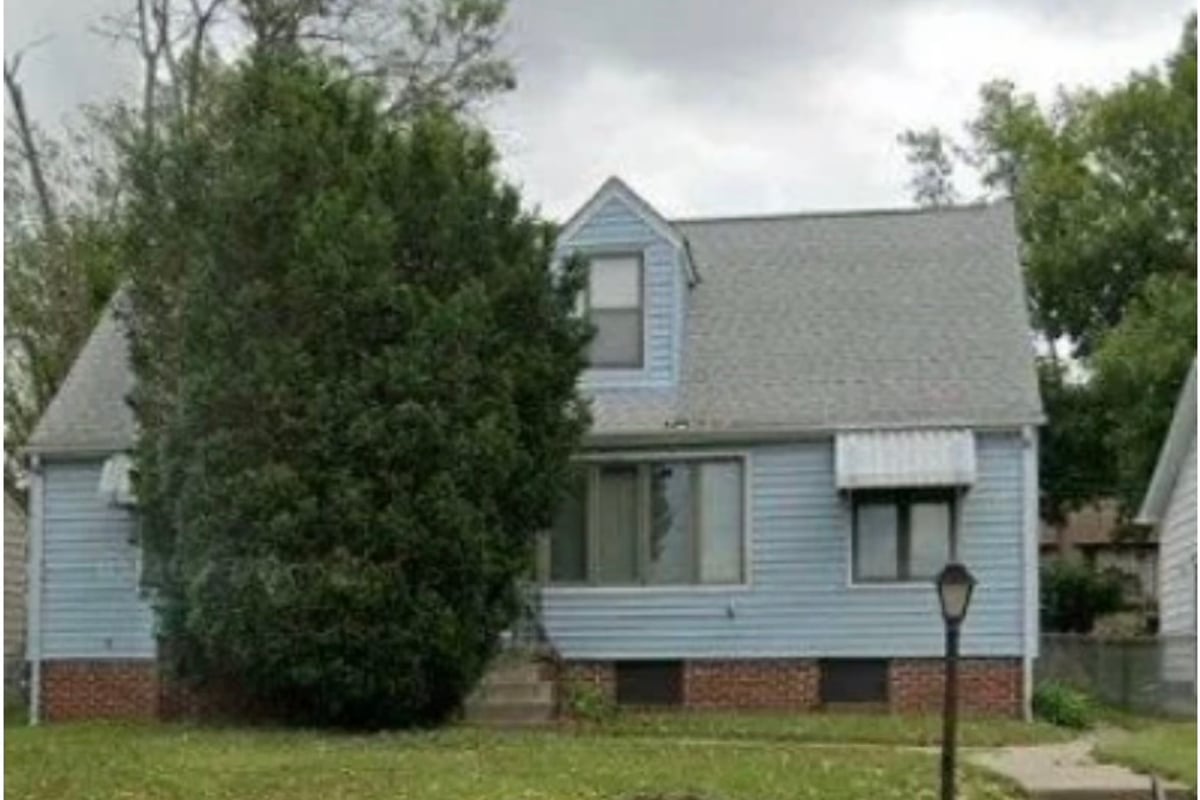
For homeowners facing these situations, companies specializing in cash purchases offer streamlined solutions. We buy houses fast for cash, offering options for Omaha homeowners who need quick closings without repair obligations.
Properties in Declining Markets
When local markets soften due to economic changes, population shifts, or other factors, traditional buyers become scarce. Properties may sit on the market for months without serious offers. Cash buyers often maintain activity in declining markets, purchasing properties at adjusted prices that reflect current conditions.
While sellers receive less than peak market values, cash sales provide liquidity when traditional methods fail. Holding properties in declining markets typically results in further value erosion, making timely cash sales a strategic move.
Preparing for a Cash Sale
Even though cash buyers purchase properties as-is, sellers can take steps to maximize offers and ensure smooth transactions. Preparation differs from traditional sales but remains important.
Documentation Organization
Cash buyers appreciate organized sellers who provide documentation efficiently. Gather these items before initial contact:
- Property deed and title documentation
- Recent property tax statements
- Utility bills showing average costs
- Homeowner association documents if applicable
- Warranty information for major systems and appliances
- Repair and maintenance records
- Survey documents if available
Having documentation ready accelerates the process and demonstrates seller credibility. Buyers can complete due diligence faster when information is readily accessible.
Property Presentation
While cash buyers don’t expect staging or extensive preparation, basic cleanliness and organization help. Remove excessive clutter, handle obvious trash or debris, and ensure buyers can access all areas during inspections.
Minor efforts that improve presentation without high cost include:
- Mowing lawns and basic landscaping
- Cleaning interior spaces
- Removing personal belongings that obstruct views
- Ensuring utilities are active for inspections
- Providing clear access to mechanical systems
These minimal preparations don’t require substantial investment but can positively influence buyer perceptions and potentially improve offer margins.
Realistic Expectations
Sellers should develop realistic expectations about cash offers before receiving them. Research recent sales of comparable properties in similar condition within your neighborhood. Understand that cash offers typically range from 50% to 80% of full market value, depending on property condition and local market factors.
This knowledge prevents disappointment and helps sellers evaluate offers objectively. Remember that net proceeds after deducting traditional sale costs often bring the numbers closer than initial comparisons suggest.
The Closing Process for Cash Sales
Cash-home transactions close more quickly than traditional sales, but the fundamental closing process remains similar. Understanding what happens during closing helps sellers prepare and identify potential issues.
Title Work and Searches
Title companies conduct searches to verify clear ownership and identify any liens, judgments, or encumbrances affecting the property. This process typically takes 3 to 7 days for cash transactions compared to longer timelines for financed sales.
Sellers should resolve any title issues promptly to avoid closing delays. Common problems include:
- Outstanding mortgage balances requiring payoff
- Mechanic’s liens from unpaid contractor work
- Judgment liens from legal actions
- Tax liens from unpaid property taxes
- Boundary disputes or easement questions
Title companies facilitate resolution, but seller cooperation and prompt attention keep transactions on schedule.
Closing Day Procedures
Cash sale closings involve less paperwork than financed transactions because lender documents are absent. Sellers should expect to:
- Review and sign the deed transferring ownership
- Complete seller disclosure forms as required by state law
- Sign settlement statements showing financial transactions
- Provide keys and access items to the buyer
- Receive proceeds via wire transfer or certified check
The entire closing typically takes 30 to 60 minutes. Sellers should bring valid identification and any documents requested by the title company.
Funds Distribution
After closing, sellers receive net proceeds after deductions for outstanding mortgages, property taxes, title insurance, transfer taxes, and any agreed-upon credits. Cash transactions typically distribute funds on the closing day or the following business day via wire transfer.
Verify wire transfer details carefully to prevent fraud. Confirm account numbers and routing information directly with your title company through known phone numbers rather than email instructions that could be compromised.
Regional Considerations for Omaha Sellers
Local market conditions significantly influence cash home buy transactions. Omaha presents unique characteristics that affect both buyer interest and offer calculations.
Omaha Market Characteristics
The Omaha metropolitan area features diverse neighborhoods with varying appreciation rates, demographics, and investment potential. Cash buyers often target specific areas based on their strategies.
Established neighborhoods near downtown Omaha, areas with strong school districts, and properties near Offutt Air Force Base attract consistent investor interest. Properties in these locations typically receive more competitive cash offers because buyers anticipate stronger resale or rental markets.
Understanding how fast you can close on a house sale in Bellevue near Offutt Air Force Base helps sellers in military-influenced markets plan their timelines.
Nebraska Legal Requirements
Nebraska law requires specific disclosures and procedures for real estate transactions. Sellers must provide lead paint disclosures for homes built before 1978 and complete property condition disclosure forms honestly and thoroughly.
Working with title companies and attorneys familiar with Nebraska requirements ensures compliance and prevents legal complications. Cash buyers operating in Nebraska understand state-specific procedures, but sellers should verify this knowledge during buyer vetting.
Seasonal Market Patterns
Omaha’s real estate market follows seasonal patterns that affect traditional sales more than cash transactions. Spring and summer typically see increased buyer activity, while winter months slow considerably.
Cash buyers maintain more consistent activity year-round because their purchase criteria differ from those of traditional homebuyers. Sellers needing quick sales during slower months often find cash buyers more accessible than waiting for spring markets.
Making Your Decision
Evaluating whether to accept a buy-cash home offer requires weighing multiple factors specific to your situation. No single answer applies to all sellers, but systematic evaluation helps clarify the best path forward.
Decision Framework
Consider these key questions when evaluating cash offers:
How urgent is your timeline? If you need to close within weeks rather than months, cash sales offer significant advantages. Traditional sales rarely reliably accommodate extremely tight timelines.
What is your property’s condition? Homes needing substantial repairs attract fewer traditional buyers and may require significant investment before listing. Cash sales bypass these requirements.
What are your financial priorities? If maximizing sale price matters most and you can wait, traditional sales may serve you better. If certainty, speed, and convenience rank higher, cash sales align better.
What is your risk tolerance? Traditional sales carry risks of deal failures, extended carrying costs, and uncertain timelines. Cash sales provide certainty but typically at lower prices.
What are comparable sales showing? Research recent sales of similar properties in your area to understand realistic price expectations for both traditional and cash sales.
Professional Guidance
Consulting with professionals helps sellers navigate complex decisions:
- Real estate attorneys review contracts and protect seller interests
- Tax professionals advise on tax implications and planning strategies
- Financial advisors help plan for proceeds management
- Real estate agents provide market analysis and traditional sale options
Professional guidance costs pale in comparison to the potential mistakes from uninformed decisions. Seek advice from professionals with experience in both traditional and cash transactions.
Trust Your Analysis
After gathering information, evaluating offers, and consulting professionals, trust your analysis of what serves your best interests. Some sellers maximize financial outcomes through traditional sales despite inconveniences. Others prioritize certainty and speed regardless of modest price concessions.
Neither approach is inherently superior-the right choice depends entirely on individual circumstances, priorities, and constraints. Make informed decisions based on your specific situation rather than on general assumptions about which method is “better.”