
The Omaha real estate market continues to evolve in 2026, presenting unique opportunities and challenges for homeowners looking to sell their properties. Whether you’re facing relocation, financial hardship, divorce, or simply want to capitalize on market conditions, understanding the current landscape for sale Omaha listings is essential for making informed decisions. This comprehensive guide explores market trends, pricing strategies, traditional and alternative selling methods, and practical steps to ensure you achieve the best possible outcome when selling your home in the metro area.
Understanding the Current Omaha Real Estate Market
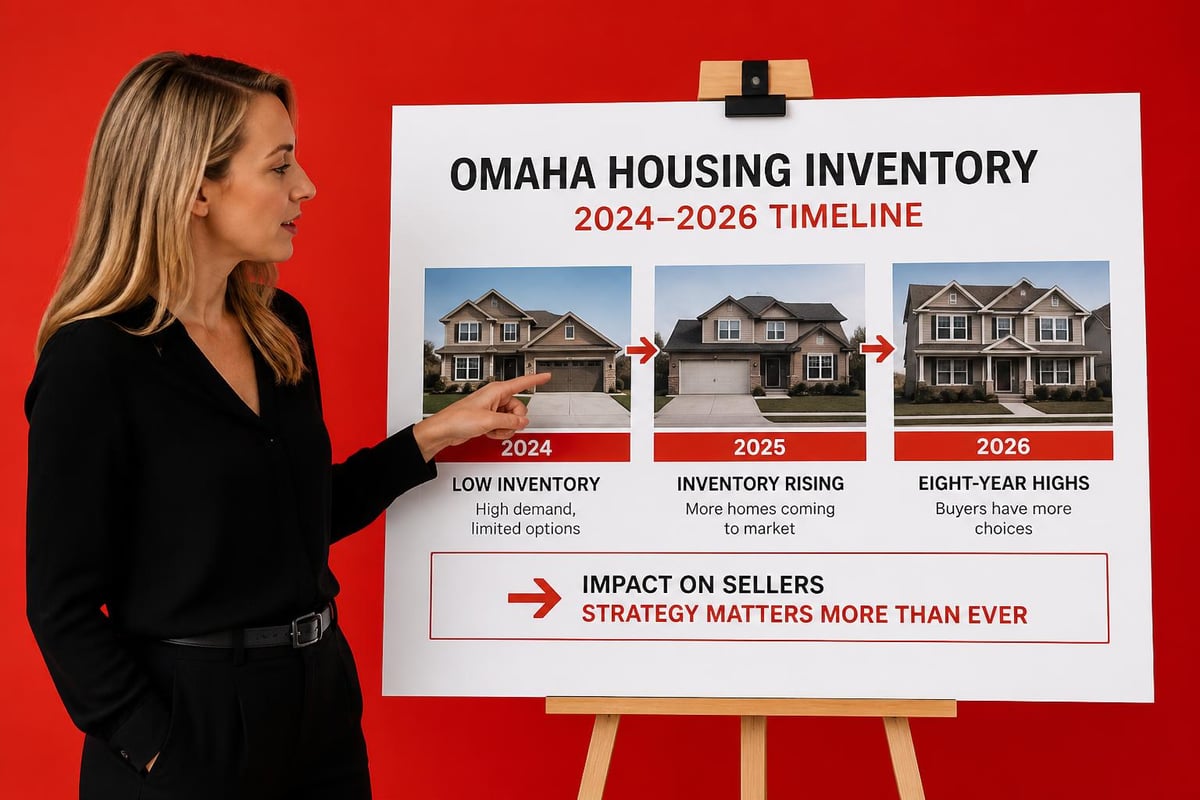
The Omaha housing market has experienced significant shifts over the past year, with inventory levels reaching heights not seen in nearly a decade. According to recent data, Omaha’s housing market reached an eight-year inventory high in late 2025, fundamentally changing the dynamics between buyers and sellers.
Market Trends Shaping For Sale Omaha Properties
Current market conditions reveal several key trends affecting properties for sale, Omaha-wide. Inventory levels have increased substantially, giving buyers more options and negotiating power than in previous years. This shift from a seller’s market to a more balanced environment means homeowners must be strategic about pricing and presentation.
Key market indicators include:
- Average days on market range from 45 to 65 days, depending on location and price point
- Year-over-year home value fluctuations show modest appreciation in select neighborhoods
- Increased buyer selectivity resulting in higher standards for property condition
- Growing competition among sellers in popular price ranges
The transition to higher inventory levels has created a buyer’s market in many segments. Properties that might have sold within days during the pandemic-era frenzy now require more patience and strategic positioning. Understanding these dynamics is crucial for anyone listing property for sale Omaha area.
Neighborhood-Specific Market Conditions
Not all Omaha neighborhoods experience identical market conditions. Areas like Benson and Bemis Park continue to attract strong buyer interest due to their walkability and cultural amenities. Meanwhile, suburban developments in western Omaha remain appealing to families seeking newer construction and highly rated schools.
| Neighborhood Type | Average Days on Market | Buyer Competition Level | Price Trend |
|---|---|---|---|
| Historic Urban | 35-50 days | Moderate to High | Stable |
| Established Suburban | 50-70 days | Moderate | Slight Decline |
| New Development | 40-60 days | Moderate | Stable |
| Rural/Outer Ring | 70-90 days | Low to Moderate | Declining |
Understanding your specific neighborhood’s performance helps set realistic expectations when preparing your property for sale Omaha market.
Pricing Strategies for Competitive Listings
Accurate pricing is the single most important factor in how quickly your property sells and the final sale price achieved. In the current market environment, overpricing can result in extended time on market, multiple price reductions, and ultimately selling for less than initial market value.
Comparative Market Analysis Fundamentals
A comprehensive comparative market analysis examines recently sold properties, active listings, and expired listings within your neighborhood. For properties for sale in the Omaha area, this analysis should focus on homes sold within the past three to six months that share similar characteristics with your property.
Critical comparison factors include:
- Square footage and lot size
- Number of bedrooms and bathrooms
- Age and condition of the property
- Updates and renovations completed
- Garage capacity and parking availability
- Proximity to schools, shopping, and employment centers
Professional appraisers and real estate agents typically adjust prices based on differences between your property and comparable sales. A finished basement might add fifteen to twenty-five dollars per square foot, while outdated kitchens or bathrooms can reduce value by five to ten percent.
Market Positioning and Price Psychology
Beyond pure market value, strategic pricing considers buyer psychology and market positioning. Pricing just below key psychological thresholds increases visibility in online searches. A home priced at $299,900 appears in searches up to $300,000, while a property at $305,000 excludes all buyers with that ceiling.
The first two weeks on the market generate the highest buyer interest for any for-sale listing in Omaha. Pricing aggressively during this window maximizes showings and potential multiple-offer scenarios. Properties that linger on the market develop stigma, with buyers questioning whether hidden problems exist.
Traditional Listing Methods and Considerations
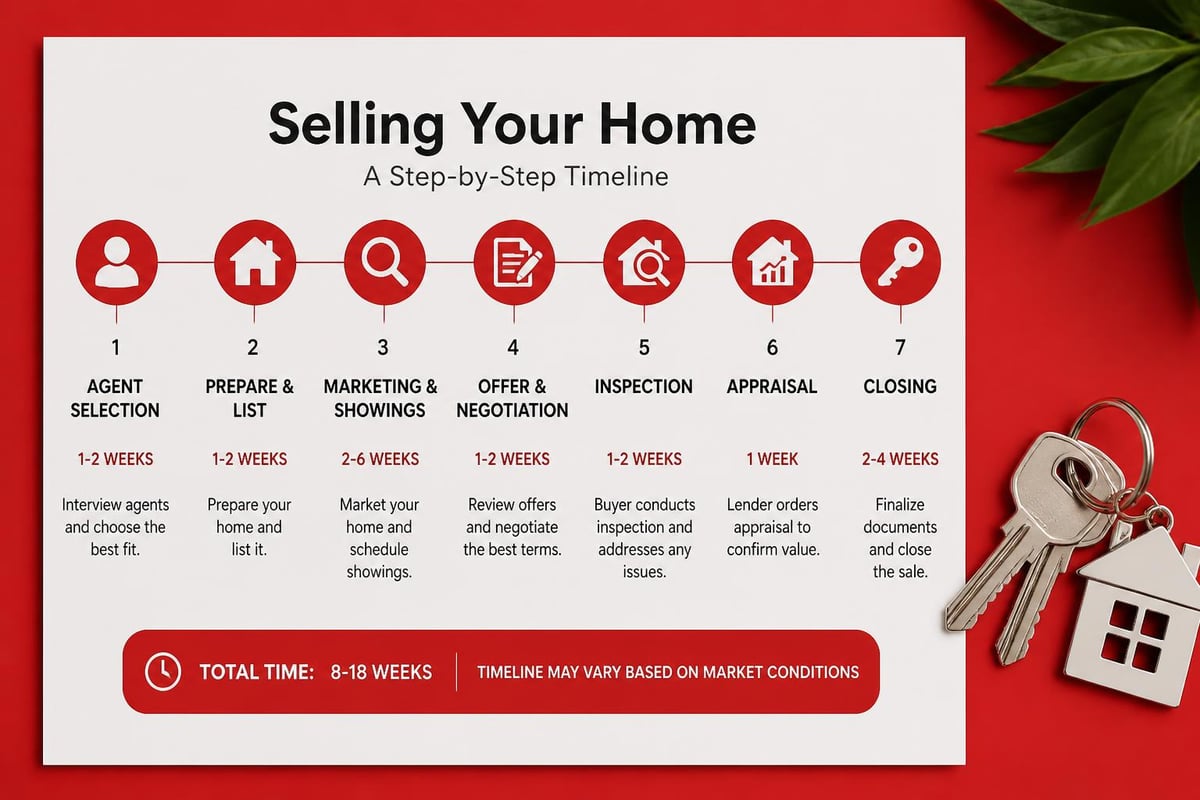
Selling through traditional methods involves hiring a licensed real estate agent who markets your property through the Multiple Listing Service and coordinates showings, negotiations, and closing procedures. This approach remains the most common path for homeowners selling property.
Real Estate Agent Selection Process
Choosing the right agent significantly impacts your selling experience and financial outcome. Interview at least three agents with proven track records in your specific neighborhood. Request detailed marketing plans, recent sales data, and references from past clients.
Evaluate agents based on:
- Local market expertise and recent comparable sales
- Marketing strategy, including photography, staging, and online presence
- Communication style and availability
- Commission structure and any additional fees
- Average days on market for their listings versus market averages
Top-performing agents justify their commission through professional networks, negotiation skills, and marketing resources that maximize exposure for your for-sale Omaha property. However, commission costs typically range from 5% to 6% of the sale price, representing a significant expense that reduces net proceeds.
Preparing Your Home for Market
Traditional listings require extensive preparation to compete effectively. Homes that show poorly receive fewer offers and sell for less than well-presented properties. Most agents recommend professional cleaning, minor repairs, fresh paint, and landscaping improvements before listing.
Staging transforms empty or cluttered spaces into aspirational environments that help buyers envision themselves living in the property. Professional staging services cost between $2,000 and $5,000 for the initial setup, plus monthly fees, but studies consistently show that staged homes sell faster and for higher prices than unstaged equivalents.
| Preparation Task | Typical Cost | Expected ROI | Time Required |
|---|---|---|---|
| Professional Cleaning | $300-$600 | 200-300% | 1 day |
| Interior Painting | $2,000-$5,000 | 150-200% | 3-5 days |
| Landscaping Refresh | $500-$2,000 | 200-400% | 2-3 days |
| Minor Repairs | $1,000-$3,000 | 100-150% | 1-2 weeks |
| Professional Staging | $2,000-$5,000 | 100-150% | 2-3 days |
These investments typically pay dividends, but they also require upfront capital and time that not all sellers possess.
Cash Buyer Alternative for Fast Sales
An increasingly popular alternative involves selling directly to cash buyers who purchase properties as-is without requiring repairs, inspections, or traditional financing contingencies. This approach offers distinct advantages for sellers who prioritize speed and convenience over the maximum sale price.
How Cash Buyers Operate
Cash-buying companies evaluate properties based on current market value, required repairs, and holding costs, and then make direct offers, typically ranging from 70 to 90 percent of the after-repair value. While this represents a discount compared to retail market value, sellers avoid agent commissions, repair costs, carrying costs during extended marketing periods, and transaction uncertainties.
The process moves quickly because cash buyers don’t require mortgage approval, home inspections, or appraisals. Many transactions close within seven to fourteen days compared to thirty to sixty days for traditionally financed purchases. For homeowners facing foreclosure, relocating for employment, or managing inherited property, this speed provides invaluable flexibility.
When evaluating Omaha properties for sale, we buy houses fast for cash, regardless of condition, location, or situation. This eliminates the stress of showings, negotiations with multiple parties, and uncertainty about whether buyers can secure financing.
Calculating Net Proceeds: Traditional vs. Cash Sale
Understanding true net proceeds requires accounting for all costs associated with each selling method. Traditional sales involve agent commissions, closing costs, repair expenses, marketing carrying costs, and potential price reductions if the property doesn’t sell quickly.
Traditional Sale Cost Breakdown (on $300,000 sale):
- Agent commission (6%): $18,000
- Seller closing costs (2%): $6,000
- Pre-listing repairs and improvements: $5,000-$15,000
- Carrying costs during 60-day marketing period: $3,000-$5,000
- Potential buyer-requested repairs post-inspection: $2,000-$8,000
- Total costs: $34,000-$52,000
- Net proceeds: $248,000-$266,000
Cash Sale Comparison (on $300,000 ARV property):
- Cash offer (80% of ARV): $240,000
- Seller closing costs: $500-$1,500
- No repairs required: $0
- No carrying costs (10-day close): $0
- No buyer-requested repairs: $0
- Total costs: $500-$1,500
- Net proceeds: $238,500-$239,500
While the cash offer appears lower initially, the net proceeds difference often narrows significantly when accounting for all traditional sale expenses. For properties requiring substantial repairs or in less desirable locations, cash sales frequently net comparable or superior results.
Legal and Administrative Requirements
Selling property in Nebraska involves specific legal requirements and disclosure obligations that sellers must understand, regardless of the selling method chosen. Compliance protects you from post-sale liability and ensures smooth transactions.
Mandatory Disclosures in Nebraska
Nebraska law requires sellers to complete a Seller Property Condition Disclosure Statement revealing known defects and property conditions. This document covers structural systems, environmental hazards, past repairs, and neighborhood issues affecting property value or desirability.
Key disclosure categories include:
- Foundation, roof, and structural integrity issues
- Plumbing, electrical, and HVAC system conditions
- Past water damage, flooding, or moisture problems
- Environmental hazards, including radon, lead paint, or asbestos
- Boundary disputes, easements, or zoning violations
- Homeowners association rules and pending assessments
Failure to disclose known defects can result in post-sale lawsuits and financial liability. When uncertain about disclosure requirements for your for-sale Omaha property, consult with a real estate attorney to ensure compliance.
Title and Closing Process
A clear title is essential for completing any property sale. Title companies research property records to identify liens, judgments, or other encumbrances that must be resolved before the transfer of ownership. Common title issues include unpaid property taxes, contractor liens, divorce decree requirements, or estate settlement complications.
The closing process involves signing transfer documents, settling outstanding obligations, and disbursing proceeds. Traditional sales typically close 30 to 45 days after contract acceptance, while cash transactions often close within 7 to 14 days.
Marketing Strategies That Drive Results
Effective marketing separates properties that sell quickly at favorable prices from those languishing on the market, requiring price reductions. Understanding current buyer behavior and platform preferences helps maximize exposure for your for-sale Omaha listing.
Digital Marketing Dominance
97% of homebuyers begin their search online, making a digital presence crucial to selling success. Professional photography showcases your property’s best features, while virtual tours enable remote viewing, pre-qualifying serious buyers before they schedule in-person showings.
Essential digital marketing components:
- Professional photography with HDR processing and optimal lighting
- Virtual 3D tours using Matterport or similar technology
- Drone footage for properties with significant acreage or unique positioning
- Social media promotion targeting demographics matching your property profile
- Search engine optimization for local property search terms
- Email marketing to agent networks and potential buyer databases
Listings with professional photography sell 32% faster and at higher prices than those with amateur photos. Virtual tours increased conversion rates by 47% according to recent industry studies.
Traditional Marketing Still Matters
Despite digital dominance, traditional marketing remains relevant to certain buyer segments. Yard signs, open houses, direct mail to neighborhood residents, and agent networking events still generate qualified buyers, particularly for properties in established neighborhoods with strong community ties.
Open houses serve dual purposes: generating buyer interest while creating urgency through perceived competition. Successful open houses require extensive preparation, strategic timing (weekend afternoons perform best), and a professional presentation that allows visitors to explore independently while remaining available for questions.
Timing Your Sale for Maximum Advantage
Market seasonality, economic conditions, and personal circumstances all influence the optimal timing for selling. Understanding these factors helps you position your for-sale Omaha property at the right time, when buyer demand peaks and competition remains manageable.
Seasonal Market Patterns
Spring is traditionally the strongest selling season, as buyers with school-age children prefer summer moves to avoid mid-year school transitions. March through June consistently show the highest buyer activity, the most showings per listing, and the fastest sales with the fewest price reductions.
However, selling during off-peak seasons offers advantages, including less competition from other sellers, more serious buyers (those searching in winter typically have urgent needs), and potentially more negotiating flexibility from buyers who’ve been searching unsuccessfully during peak season.
| Season | Buyer Activity | Inventory Levels | Pricing Power | Average Days on Market |
|---|---|---|---|---|
| Spring | Highest | High | Moderate | 45-55 days |
| Summer | High | Highest | Moderate-Low | 50-60 days |
| Fall | Moderate | Moderate | Moderate | 55-65 days |
| Winter | Low | Lowest | Moderate-High | 60-75 days |
Your personal timeline and property condition should ultimately determine the timing of the sale rather than attempting to perfectly time seasonal markets.
Economic Indicator Considerations
Broader economic conditions, including interest rates, employment trends, and consumer confidence, impact buyer behavior and home values. Rising interest rates reduce buyer purchasing power, effectively lowering the pool of qualified buyers for properties at higher price points.
Local employment trends particularly affect Omaha’s housing market. Major employers, including Union Pacific, Mutual of Omaha, and Berkshire Hathaway, drive economic stability, but changes in their workforce levels ripple through housing demand. Monitoring these indicators helps anticipate market shifts before they fully materialize.
Overcoming Common Selling Challenges
Every property sale encounters obstacles, but preparation and realistic expectations help navigate challenges without derailing transactions. Understanding common issues and solutions streamlines the selling process.
Low Appraisal Scenarios
Appraisals below contract price occur when comparable sales don’t support buyer offers, particularly in competitive multiple-offer situations where emotional bidding exceeds market fundamentals. Low appraisals jeopardize financed purchases because lenders won’t loan amounts exceeding appraised values.
Resolution options include:
- Seller is reducing the price to the appraised value
- Buyer is increasing the down payment to cover the gap
- Meeting halfway through the price reduction and increased down payment
- Challenging appraisal with additional comparable sales data
- Terminating contract and relisting property
Cash buyers eliminate appraisal risk entirely, since they don’t require lender approval or a property valuation for financing.
Inspection Repair Negotiations
Home inspections reveal property defects that buyers request sellers repair or provide credits to address. Major issues such as roof damage, foundation problems, or outdated electrical systems create significant negotiation points that can reduce net proceeds or terminate contracts.
Sellers have several response options: complete the requested repairs before closing, provide cash credits at closing for buyers to address issues themselves, reduce the purchase price accordingly, or refuse the requests and risk buyer contract termination. Properties sold as-is to cash buyers avoid inspection negotiations entirely.
Investment Property Considerations
Selling investment properties introduces additional complexity, including tenant rights, lease obligations, capital gains implications, and 1031 exchange possibilities for tax deferral. Understanding these factors prevents costly mistakes when listing rental property for sale in the Omaha market.
Occupied Property Challenges
Properties with tenants sell to smaller buyer pools since most owner-occupant buyers prefer vacant possession. Investors purchasing occupied properties expect rent rolls, lease agreements, security deposit documentation, and maintenance records. Tenant cooperation during showings significantly impacts marketability.
Nebraska law protects tenant rights during property sales, requiring proper notice before showings and honoring existing lease terms unless specific lease provisions allow early termination with ownership changes. Non-cooperation from tenants can substantially delay or complicate sales.
Tax Implications and 1031 Exchanges
Investment property sales trigger capital gains taxes on appreciation since the purchase. Long-term capital gains rates currently range from zero to twenty percent, depending on income levels, plus a 3.8 percent net investment income tax for high earners. Depreciation recapture adds additional tax obligations.
Section 1031 like-kind exchanges allow investors to defer capital gains taxes by reinvesting proceeds into replacement properties within specific timeframes. These exchanges require strict compliance with IRS regulations, including identifying replacement properties within forty-five days and closing within 180 days.
Distressed Property Sales Options
Homeowners facing foreclosure, significant deferred maintenance, code violations, or inherited properties in poor condition encounter unique challenges when selling. Traditional buyers typically avoid properties that require extensive repairs, but alternative selling methods offer viable solutions.
Foreclosure Timeline and Prevention
Nebraska follows judicial foreclosure procedures that require court involvement, typically taking four to six months from the initial default notice to the sheriff’s sale. Selling before foreclosure completion preserves credit ratings and often nets more money than allowing foreclosure to proceed.
Properties in pre-foreclosure frequently attract cash buyers willing to purchase quickly and navigate payoff negotiations with lenders. Many lenders approve short sales, allowing properties to sell for less than outstanding mortgage balances when foreclosure appears inevitable, minimizing their losses while helping homeowners avoid foreclosure judgments.
As-Is Sale Benefits
Selling as-is eliminates repair obligations, inspection contingencies, and buyer requests for credits or improvements. This approach particularly benefits properties requiring substantial work that sellers cannot or prefer not to complete. While as-is sales typically achieve lower prices than fully repaired properties, they avoid repair costs, contractor management, and extended carrying costs during renovation.
Cash buyers specialize in as-is purchases, evaluating properties in their current condition and making offers accounting for necessary repairs.