
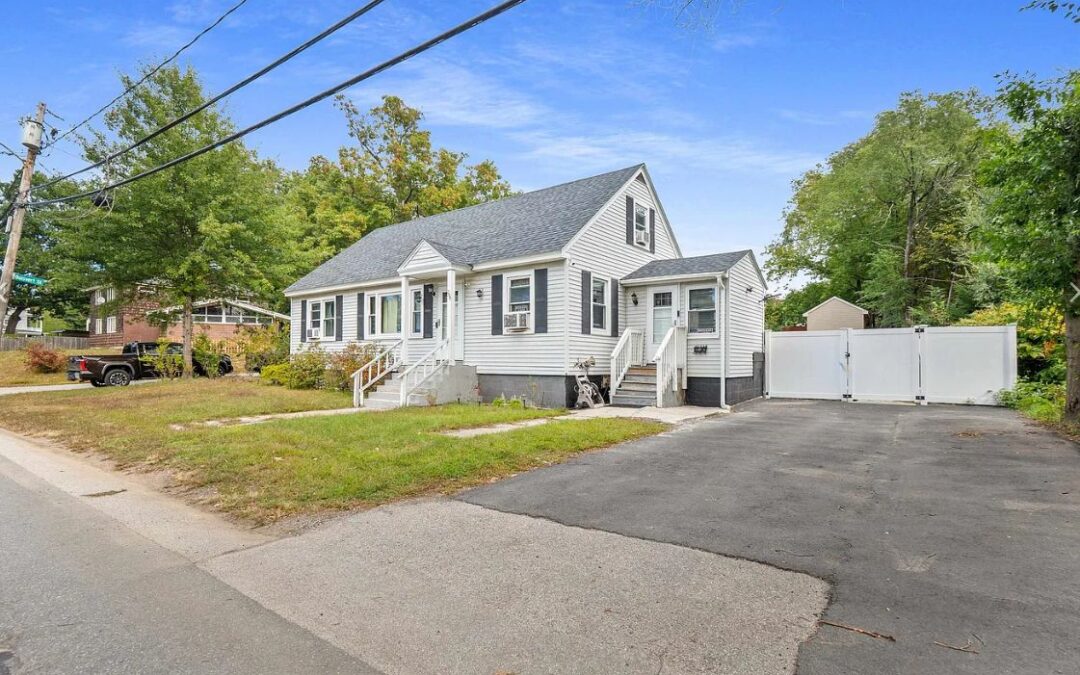
Owning property in a state where you no longer live creates a real logistical challenge the moment you decide to sell. If you want to sell your New Hampshire house quickly without repeated trips back, the process is possible, but only if you know which steps allow remote handling and which carry legal requirements you cannot work around. New Hampshire has specific practices around attorney involvement, deed transfer, and closing procedures that directly affect out-of-state owners. Getting those details wrong can delay your sale or invalidate documents. This article offers general information, and a New Hampshire real estate attorney can advise on your situation.
What Legal Steps Must an Out-of-State Owner Take to Sell New Hampshire Real Estate?
Selling property in another state is not simply a matter of signing paperwork wherever you live. New Hampshire practice calls for certain documents to be notarized, executed in specific forms, and often reviewed by a licensed New Hampshire attorney.
How Is Title Held?
Before anything else, pull your deed and confirm how the property is titled. If the deed lists you alone, the process is relatively straightforward. If it lists two or more owners, every person on the deed generally must sign at closing. One absent co-owner can stall the transaction, so confirm ownership early.
If the property passed to you through an estate and no one updated the deed to reflect your name, you may need probate or an affidavit before the title is clear enough to transfer. Title companies and closing attorneys flag this during the title search, but identifying it early saves time.
Do You Need a Title Search and Attorney Review?
Attorneys customarily conduct New Hampshire closings. The closing attorney typically reviews the title search and prepares the deed. As an out-of-state seller, you may not need to hire a separate attorney, but you do need to coordinate with the one handling the transaction. The attorney sends documents for your review and signature and manages the formal requirements.
The title search examines the chain of ownership, checks for liens, unpaid taxes, and encumbrances, and confirms that you have the legal right to sell. If it turns up an issue, such as a mechanic’s lien from a former contractor or an unresolved mortgage from a past refinance, someone must resolve it before closing.
What About Out-of-State Seller Tax Withholding?
Withholding rules catch many absentee owners off guard. New Hampshire has no general tax on wages, but the federal government still taxes capital gains on real estate sales, so you may owe federal tax on the difference between your purchase price and your net proceeds. Federal withholding under FIRPTA applies only to foreign sellers. Some states require withholding from out-of-state sellers, and your closing attorney or a tax professional should confirm whether anything applies to your sale, because rules and thresholds can change. Have that conversation before closing, not after someone distributes the proceeds.
What Are the Requirements and Limits of a Power of Attorney for a New Hampshire Home Sale?
A power of attorney (POA) is a legal document that authorizes another person to act for you. In real estate, it lets someone you trust sign the deed and other closing documents in your place, so you do not need to attend.
What Must a Real Estate POA Include?
Not every POA suits a real estate transaction. For a New Hampshire home sale, the POA should be in writing, signed by you as the principal, and notarized, and it should specifically authorize real estate transactions. A general POA with broad authority may work, but a durable or specific real estate POA is cleaner because it leaves no doubt about its scope.
Someone generally records the document in the county where the property sits, so it becomes part of the public record with the deed. The closing attorney will typically ask for a copy before closing and confirm that it meets state requirements.
How Do You Choose the Right Agent?
The person you name is your agent, or attorney-in-fact. The agent does not need to be a licensed attorney. Your agent can be a family member, a trusted friend, or a real estate professional. What matters is that the agent understands the responsibility: signing legal documents that bind you to a contract and transfer ownership.
As an illustration, suppose a New Hampshire homeowner has moved to Arizona and cannot return for closing. The owner signs a notarized real estate POA naming an adult sibling who still lives near Manchester as the agent. The sibling attends closing, signs the deed and related documents, and the sale proceeds without the owner present. If the POA meets New Hampshire’s formal requirements and someone records it correctly, the transfer holds.
What Are the Limits of a POA in a Home Sale?
A POA does not remove every requirement. If a lender holds a mortgage, the payoff and lien release still go through normal channels. Title insurers sometimes have their own requirements about POA language, so the document may need approval before closing day. If anyone raises concerns about your capacity when you signed it, or about fraud, a title company may ask for more documentation before it insures the transaction.
How Do Remote Closings Work Under New Hampshire Law?
Remote closing options have expanded significantly. New Hampshire has authorized remote online notarization (RON), which allows notarized documents to be executed over a secure video platform instead of in person. It is the main tool an absentee owner uses to handle closing documents without traveling.
How Does Remote Online Notarization Work in Practice?
In a RON session, you connect with a commissioned notary over live video. The notary verifies your identity through knowledge-based authentication (questions only you should answer correctly) and a credential check of a government-issued ID. You sign electronically while the notary watches, and the notary applies a digital seal and signature. The platform records and stores the session per state requirements.
For a real estate transaction, this usually covers the deed and any seller-side closing documents. The parties then send the notarized documents electronically to the closing attorney or title company. Whether you can close entirely remotely also depends on whether the buyer’s lender requires wet signatures or the title insurer imposes restrictions.
What Still Requires Coordination on the Ground?
Even with RON, you will likely need someone local for certain practical steps. Handing over keys, a final walkthrough, or a last-minute condition issue all call for someone physically present. An agent under a POA can often handle these tasks.
The most common friction point for out-of-state owners is often not the legal process but the logistics of an empty property, from utility disconnection timing to mail forwarding to coordinating access for inspections.
How Do Sale Proceeds Reach an Out-of-State Seller?
The closing attorney or title company typically disburses proceeds after the deed records. A remote seller’s net proceeds usually arrive by wire to your bank account. You give wiring instructions in advance, and funds go out after recording confirmation. This step requires no physical presence and is standard for out-of-state transactions.
For owners who want to move quickly without navigating every traditional step, a direct cash buyer can reduce some of the burden of repairs and showing coordination that makes remote sales stressful, and we aim to help coordinate with local attorneys and remote signing processes.
Whether you list with an agent, use the open market, or choose a direct cash buyer, the path for a remote seller comes down to three things: a valid, recorded POA if you need a representative on the ground, a closing attorney who can accommodate remote notarization, and a clear plan for your proceeds. Those three elements allow you to close on a New Hampshire property from anywhere. For out-of-state owners, understanding how to sell a New Hampshire property when you live out of state is the clearest way to avoid delays and invalid documents.
Frequently Asked Questions
Can I sell my New Hampshire house without ever traveling back to the state?
Remote online notarization and a properly executed power of attorney can make it possible to complete a New Hampshire sale without returning in person. Your documents must meet the state’s notarization and recording standards, and a New Hampshire attorney will customarily oversee the closing.
A deed or powDoes New Hampshire require a notary for real estate documents signed out of state?er of attorney used in a New Hampshire real estate transaction generally must be notarized, wherever you sign it. If you sign outside New Hampshire, the notarization must comply with the law where you are located and still meet New Hampshire’s standards for recording.
How does a cash buyer handle an out-of-state seller differently than a traditional sale?
A cash buyer generally does not require repairs, showings, or financing contingencies, which means fewer moving parts and fewer people who need access to the property. Ask any buyer to explain in writing how it will coordinate your closing from afar.