
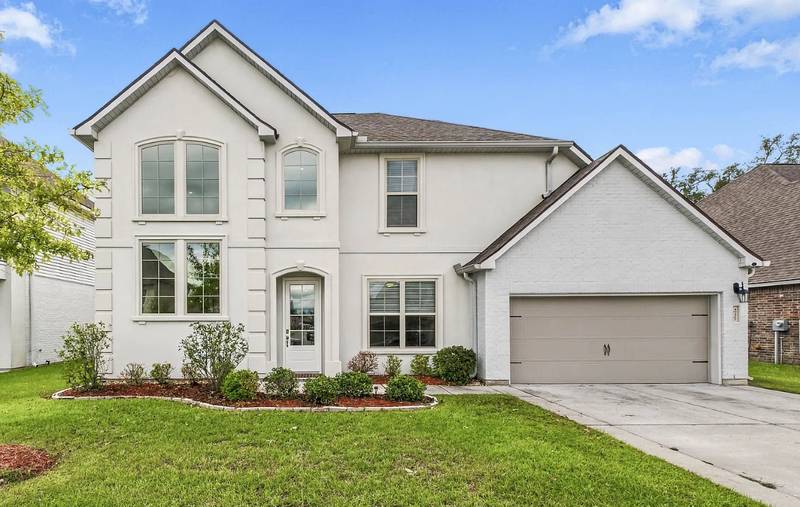
Selling your home when you are married in Louisiana is not as simple as signing a contract and handing over the keys. Louisiana operates under a community property regime, which means the law treats most assets acquired during a marriage as jointly owned by both spouses. For married sellers who work with a cash buyer, this has direct consequences for how the sale is structured, who must sign the closing documents, and what can delay or derail the transaction. Understanding these rules before you reach the closing table protects you from last-minute surprises that could cost you the deal. This article offers general information, and a Louisiana family law or real estate attorney can advise on your situation.
What Does Louisiana Community Property Mean for a Cash Home Sale?
Louisiana is one of a small number of states with a community property system, and its system comes from civil law, not common law. Under the Louisiana regime, property acquired during the marriage, including a home bought with marital income, generally belongs equally to both spouses. It does not matter whose name appears on the title or whose paycheck paid the mortgage.
What Counts as Community Property?
A home is generally presumed to be community property if one or both spouses bought it after the marriage began and before the couple legally ended their matrimonial regime. That presumption holds even if only one spouse signed the mortgage or appears on the deed. The law defaults to community ownership unless clear evidence shows otherwise.
What Counts as Separate Property?
Separate property rules apply when one spouse owned the home before the marriage, inherited it alone at any point, or received it as a gift directed to one spouse only. A properly drafted matrimonial agreement, the Louisiana term for a prenuptial agreement, can also designate property as separate. If your home falls into one of these categories, only the owning spouse generally needs to sign to complete the sale.
The catch is that separate property can partly shift toward the community if marital funds paid down the mortgage or funded major improvements. Louisiana calls this reimbursement, and it can create a claim by the other spouse against the sale proceeds, even if title sits in one name.
Why Does This Matter for a Cash Sale of Co-Owned Property?
Because community property is jointly owned by operation of law, both spouses have equal management rights. For ordinary transactions, one spouse can often act alone. But selling an immovable, which is what Louisiana law calls real estate, generally requires both spouses to consent and sign. A cash buyer who receives only one signature on the act of sale cannot take clear title, and a notary overseeing the transaction will flag that right away.
When Must Both Spouses Sign, and What If One Refuses?
For a sale of a community home, both spouses generally must sign the act of sale before the notary. That is not a formality you can work around later. If one spouse refuses to sign, the sale cannot proceed in the usual way.
What Are Your Options When a Spouse Will Not Cooperate?
The spouse who wants to sell has a few paths, but none is instant.
One option is to ask a Louisiana court for authorization to sell without the other spouse’s concurrence. Courts may grant this in some circumstances, such as when a spouse is incapacitated or when a refusal is unreasonable. The court weighs the interests of both spouses and the community. This process takes time and involves legal fees, so consult a Louisiana family law attorney to see whether your situation qualifies.
Another option is to seek a legal division of the community before the sale. Louisiana allows a judgment of separation of property in certain circumstances, and spouses may also change their regime by agreement under court procedures. Once the community is dissolved and the home is partitioned, the owning spouse may be able to sell. This generally requires court involvement unless both spouses agree.
The simplest outcome is a voluntary partition. Both spouses sign a partition agreement before a notary, one spouse becomes the sole owner on record, and the sale moves forward with a single signature. That works when the couple is separated but cooperative.
What Happens If a Spouse Is Unreachable?
If a spouse has disappeared, is incapacitated, or is otherwise unavailable, Louisiana law may allow the other spouse to seek a court-appointed curator or judicial authorization to act alone. That process is more involved than a standard closing, and your notary or closing attorney will need to guide it. Start early, because court proceedings do not follow a buyer’s preferred schedule.
How Do You Sell a Marital Home in Louisiana After a Divorce Is Final?
A final divorce does not automatically transfer the home to one person. In Louisiana, when a marriage ends, the community regime generally terminates retroactively to the date someone filed for divorce, but the property still belongs to the former community until the parties formally partition it.
How Does the Partition Work After a Divorce?
If the divorce decree awarded the home to one spouse, that language is not the same as a conveyance. The awarded spouse typically needs a separate act of partition, also called a deed of partition, signed before a notary and recorded in the parish where the property sits. Until that step is complete, both former spouses technically keep an interest in the property.
A cash buyer will need to see that partition recorded before closing. If no one has recorded it, the closing attorney or notary can usually handle it as part of the transaction, but both former spouses may still need to sign, depending on how the divorce judgment reads.
Which Documents Should You Have Ready?
Having these documents ready helps you avoid delays. For a home in New Orleans, for example, you would record the partition with the Orleans Parish clerk of court.
- The final divorce decree, including any property settlement agreement attached to it
- The recorded act of partition, if someone completed one after the divorce
- The original act of sale showing how you acquired the home and in whose name
- Any prenuptial or matrimonial agreement that established separate property status
- A death certificate, if a former spouse has passed away and the home is now solely yours
A buyer and a notary who review these documents together before setting a closing date can catch a missing partition or an unsigned decree attachment early, which prevents the last-minute delays that derail sales.
What About Spousal Signatures After Remarriage?
If you have remarried, your new spouse generally does not hold a community interest in a home you acquired before that marriage, unless commingled marital funds created a claim. If you bought the home during your second marriage, the community property rules apply again. The property’s history matters, and your notary will trace it.
How Do You Prepare for a Smooth Cash Sale as a Married or Recently Divorced Seller?
Most closing complications tied to spousal signatures are preventable with the right preparation. The most common cause of delay is discovering during title review that a divorce decree transferred ownership in theory, but no one ever recorded a partition in the parish records.
We work with Louisiana sellers in these situations, and we aim to review your ownership history, flag anything that needs resolution, and coordinate with the closing notary so the legal steps happen in the right order. If both spouses are on board and the title is clean, a cash sale can often move from offer to closing with less friction than a financed sale. The key is surfacing ownership complications early, so you address them properly instead of discovering them at the table. For married Louisiana sellers, understanding how Louisiana community property rules affect your cash home sale is the first step to take before you accept any offer.
Frequently Asked Questions
Does my spouse have to sign if only my name is on the deed in Louisiana?
In most cases, both spouses still need to sign when selling a home bought during the marriage, even if only one name appears on the deed. Louisiana’s community property rules give both spouses an interest in property acquired during the marriage, regardless of how the title reads. A notary handling the act of sale will generally require both signatures to convey clear title.
What if we are separated but not officially divorced in Louisiana?
Separation alone, without a legal termination of the matrimonial regime, does not end community property rights in Louisiana. Both spouses keep co-ownership of community assets until a court order or voluntary agreement formally dissolves the regime. Consult a Louisiana family law attorney about ending the regime before you sell, or have both spouses sign the act of sale together at closing if cooperation is possible.
Can I sell my Louisiana home for cash if my ex-spouse was awarded the house in the divorce decree?
A divorce judgment that awards the home to one spouse is not the same as a recorded transfer of ownership. The awarded spouse typically needs a separate, notarized act of partition recorded in the proper parish before a clean sale can proceed. If that step was skipped, it can usually be completed as part of the closing, but both former spouses may need to participate, depending on how the judgment reads.