
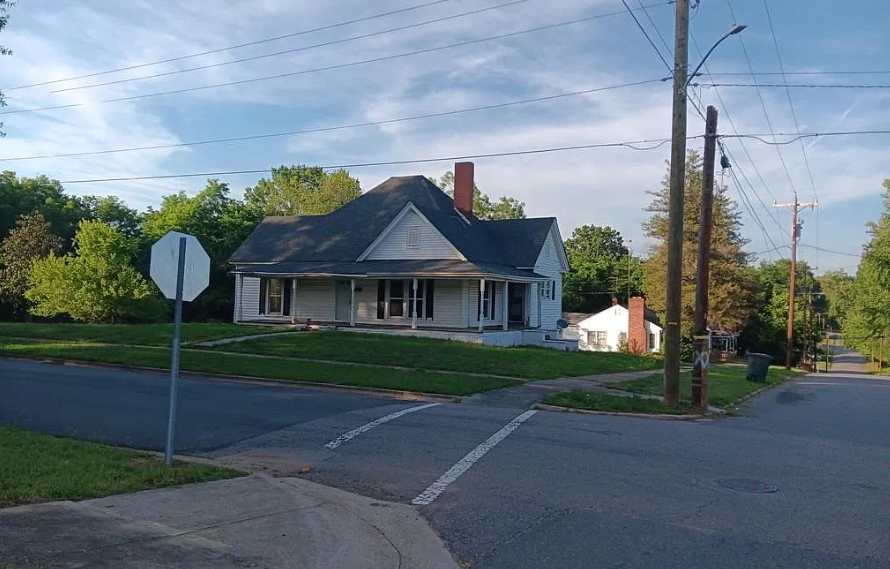
Inheriting a home often comes with more paperwork than people expect. If you want to sell an inherited house quickly in North Carolina after a loved one passes, the first question is whether the estate must go through probate before you can legally transfer the property to a buyer. The answer depends on how the deceased owned the home, what documents they left behind, and the estate’s total value. North Carolina has specific rules that decide whether you need a full court process or a simpler path. This article offers general information, and a North Carolina probate attorney can advise on your situation.
When Does a North Carolina Estate Have to Go Through Probate Before Selling?
Probate is the legal process that settles a deceased person’s estate, pays debts, and transfers property to heirs. In North Carolina, the Clerk of Superior Court in the county where the deceased lived supervises it.
A home generally must go through probate before sale when the deceased held title solely in their own name, with no survivorship language. That is the most common situation with older properties that no one ever updated.
What Triggers a Full Probate Requirement?
If the deceased owned the home outright and left a will, someone must admit the will to probate. The Clerk reviews the will, confirms its validity, and appoints an executor, the person the will names to manage the estate. For an estate opened in Charlotte, for example, that would be the Mecklenburg County Clerk of Superior Court. If no will exists, the Clerk appoints an administrator instead. Both roles carry the same core authority over the estate’s assets.
After appointment, the executor or administrator receives letters testamentary (when a will exists) or letters of administration (when none exists). Those documents give that person legal authority to act for the estate, though the authority to sell real property can depend on the will and on court rules.
Without those letters, no one in the family has authority to sell. A title company will not insure the transaction, and a buyer’s attorney will not close it. This is one of the most common reasons inherited property sales get delayed.
What Is the Small Estate Affidavit Option?
North Carolina offers simplified procedures for small estates, but they are meant mainly for personal property, such as bank accounts and belongings. They generally do not transfer real property, so they typically do not help you sell the house. They can still help you collect other assets while a separate process handles the home. An attorney can confirm the current thresholds.
What Are Heir Property and Title Complications?
Heir property is land that has passed through generations without a formal deed transfer or probate. It is more common than most families realize, particularly with rural properties or homes that changed hands informally over decades. With heir property, several descendants may hold a legal ownership interest, even if only one person lives in or maintains the home.
Selling heir property requires identifying and locating every heir with an interest and securing agreement to the sale. If any heir refuses, the others may need to file a partition action in court, a separate process that adds time and cost.
How Does an Executor or Administrator Sign a Home Sale Contract in North Carolina?
After the Clerk issues letters, the executor or administrator can generally move forward with a sale, subject to the will and the court’s rules. The sale must serve the best interests of the estate and its beneficiaries.
What Can the Executor Do, and What Can the Executor Not Do?
An executor can generally sign a purchase agreement, negotiate the price, and choose between a traditional listing and a direct sale to a cash buyer, if the executor has the necessary authority. In North Carolina, real property passes to heirs or devisees at death, so a personal representative usually needs either a power of sale in the will or a court order before selling. A will may grant that power, but if it does not, the executor may need to ask the court. Beneficiaries can also object to a sale that harms their interests. Read the will carefully and consult a probate attorney before signing any sales contract.
When Must All Heirs Sign?
If the estate has closed and a deed distributed the property to multiple heirs, the executor no longer controls the sale. Each heir named on the deed must sign the closing documents. As an illustration, suppose three siblings inherit a North Carolina home and a deed gives each an equal share. All three must agree on the price and terms, and all three must sign at closing. One uncooperative heir can block the transaction unless a partition action resolves the disagreement.
If you face a situation like this and want to sell for cash, knowing whose signature you need before you accept an offer prevents a failed closing later.
What Other Ways Can an Inherited Home Skip Full Probate in North Carolina?
Some ownership structures pass a home outside probate, but they require planning before the owner dies. Ask an attorney which of these apply to your property.
How Does Joint Tenancy With Right of Survivorship Work?
A home titled as joint tenancy with right of survivorship passes outside probate. When one owner dies, full ownership transfers automatically to the survivor. The survivor records the death certificate with the county register of deeds and can generally proceed with the sale under the survivor’s own authority. Spouses who hold title as tenants by the entirety also pass title automatically to the survivor.
Joint tenancy with survivorship is common with married couples but can also exist between a parent and an adult child. If the deed uses the phrase “as joint tenants with right of survivorship,” this path may apply. A deed that simply lists two names without that language may not transfer automatically, so verify with a North Carolina real estate attorney before you assume probate is unnecessary.
Can a Living Trust Bypass Probate?
A revocable living trust can keep real property out of probate. If the deceased transferred the home into a trust before death, the trustee has authority to sell the home and distribute the proceeds under the trust’s terms. No court involvement is usually needed, and the trustee can sign a sales contract like any property owner.
What About Transfer-on-Death Deeds?
Some states let owners record a transfer-on-death deed that passes a home to a beneficiary without probate. North Carolina’s rules on this tool are limited, so do not assume it applies. Ask an attorney whether any beneficiary-transfer option is available for your property.
What Should You Do Before You List the Property?
Understanding the home’s ownership structure is the most important step before you accept any offer. Check the deed at the county register of deeds office to see exactly how the property is titled. That one document tells you whether you need letters, whether all heirs must sign, or whether you can proceed on your own authority.
If probate is required, opening the estate with the Clerk of Superior Court in the correct county is the starting point. Expect the process to take time, since creditors have a period to file claims against the estate before assets are distributed or sold. A North Carolina probate attorney can give you a realistic estimate for the estate’s circumstances.
For heirs who want to avoid the delays of an open-market listing, a direct cash sale is worth understanding as an option. A cash buyer can make a written offer once the legal authority to sell is confirmed, and often does not require repairs, cleaning, or updates before closing. The cleaner the title, the smoother the sale. Verifying ownership, securing the right legal documents, and lining up every necessary signer protects you from delays or a failed closing at the worst moment. For North Carolina heirs, understanding the probate rules that affect your timeline when you sell an inherited home is the clearest way to plan.
Frequently Asked Questions
Can an executor sell an inherited house in North Carolina before probate is complete?
An executor can often begin the sale process after receiving letters from the Clerk of Superior Court, but closing generally cannot happen until the estate can transfer clear title and the executor has authority to sell real property, such as a power of sale in the will or a court order. Many probate sales run alongside the estate process, but a North Carolina real estate attorney should confirm the estate’s readiness before closing.
What happens if one heir refuses to sell an inherited home in North Carolina?
When co-heirs disagree and the deed names several owners, the heirs who want to sell can file a partition action in North Carolina Superior Court. The court can order the property divided or sold, with the proceeds split among the owners. Partition cases can take months and involve legal fees that reduce everyone’s final proceeds.
Does a transfer on death deed avoid probate in North Carolina?
Some states let owners use a transfer-on-death deed to pass a home to a beneficiary outside probate, but North Carolina’s rules on this tool are limited. Do not assume it applies to your property. Ask a North Carolina probate attorney which non-probate options, such as survivorship or a living trust, may apply.