

The real estate landscape has evolved significantly, offering homeowners multiple paths to sell their properties. Among these options, companies that operate under the “we buy property” model have gained substantial traction, particularly for sellers facing unique circumstances or tight timelines. These cash buyers provide an alternative to traditional listings, enabling homeowners to bypass lengthy market exposure, agent commissions, and extensive home preparations. Understanding how this industry functions, what to expect, and when it makes sense can empower you to make informed decisions about your property sale.
Understanding the We Buy Property Business Model
Companies that advertise “we buy property” operate fundamentally differently from traditional real estate transactions. These businesses purchase homes directly from sellers using their own capital or investor funds, eliminating the need for buyer financing, mortgage approvals, and the typical complications that can derail conventional sales.
How Cash Home Buyers Generate Profit
The profitability model for these companies centers on purchasing properties below market value, then either reselling them after renovations or holding them as rental investments. This approach requires them to factor in repair costs, holding expenses, and profit margins when calculating their offers.
Key cost considerations include:
- Renovation and repair expenses
- Closing costs and transfer taxes
- Property holding costs (utilities, insurance, taxes)
- Marketing expenses for resale
- Administrative and operational overhead
- Profit margin (typically 10-20%)
Because these companies assume all risks associated with the property, their offers typically range from 50% to 80% of after-repair value, depending on the property’s condition and local market dynamics.

The Typical Purchase Timeline
One of the most attractive features when you work with companies that say “we buy property” is the accelerated timeline. Unlike traditional sales that average 30 to 60 days or longer, cash purchases can close in as few as seven days.
| Timeline Stage | Traditional Sale | Cash Purchase |
|---|---|---|
| Initial Contact to Offer | 1-7 days | 24-48 hours |
| Inspection Period | 7-14 days | 0-3 days |
| Financing Approval | 30-45 days | N/A |
| Closing Process | 7-14 days | 3-7 days |
| Total Time | 45-80 days | 7-14 days |
This compressed timeline proves invaluable for homeowners facing foreclosure, relocating for employment, managing inherited properties, or navigating divorce proceedings.
When Selling to We Buy Property Companies Makes Sense
Not every home sale situation benefits equally from the cash buyer approach. Certain circumstances align particularly well with this sales method, while others might achieve better outcomes through traditional listings.
Ideal Scenarios for Cash Sales
Properties requiring extensive repairs represent the most common scenario where “we buy property” companies excel. When your home needs a new roof, foundation work, updated electrical systems, or comprehensive renovations, the cost and effort of preparing it for traditional sale can be overwhelming.
Homeowners facing time-sensitive situations also benefit significantly. Job relocations requiring immediate moves, pending foreclosure proceedings, or the need to liquidate assets quickly for financial reasons make the speed of cash sales particularly valuable.
Inherited properties often present unique challenges. When multiple heirs need to divide proceeds, or when the property sits in another city or state, the simplicity of a cash sale eliminates the burden of long-distance property management and coordination.
Situations Better Suited for Traditional Sales
If your home is in excellent condition, updated, and located in a desirable neighborhood, traditional listings typically yield higher net proceeds despite the longer timeline and associated costs. The competitive Omaha housing market often rewards well-maintained properties with strong buyer interest.
When you have the financial flexibility to wait for the right buyer and can afford the carrying costs during the listing period, maximizing your sale price through traditional methods often makes economic sense. Similarly, if you’ve built significant equity and the difference between a cash offer and retail price represents substantial dollars, the wait might prove worthwhile.
Evaluating We Buy Property Companies
The “we buy property” industry includes both reputable firms and less scrupulous operators. Conducting thorough due diligence protects your interests and ensures a smooth transaction.
Research and Verification Steps
Start by examining the company’s track record and credentials. Established businesses should have verifiable histories, proper licensing, and positive customer feedback. Many homeowners find value in reviewing We Buy Houses companies before engaging in conversations.
Essential verification checklist:
- Confirm business licensing and registration
- Review online testimonials and complaints
- Check standing with local authorities
- Request references from recent sellers
- Verify proof of funds or financing capability
- Examine the company’s physical presence

Red Flags to Watch For
Certain warning signs indicate potentially problematic companies. High-pressure tactics that demand immediate decisions, requests for upfront fees before purchase, or unwillingness to provide written offers should prompt caution.
Companies that refuse to explain their offer calculations, avoid answering questions about their process, or lack transparent communication often prove difficult to work with. Legitimate “we buy property” firms understand that sellers need time to consider offers and compare options.
The Offer Process Explained
Understanding how cash buyers calculate their offers helps set realistic expectations and enables informed decision-making.
Property Evaluation Methods
Most companies that advertise “we buy property” conduct thorough property assessments before presenting offers. This typically involves an in-person walkthrough where representatives evaluate the home’s condition, necessary repairs, and overall appeal.
The evaluation considers multiple factors: current market conditions in your specific neighborhood, comparable recent sales, the property’s unique features or drawbacks, and estimated repair costs. Some companies use detailed spreadsheets while others employ proprietary software to generate offers.
Comparing Multiple Offers
Smart sellers obtain quotes from several “we buy property” companies before committing. Offers can vary significantly based on each company’s investment criteria, risk tolerance, and business model.
| Comparison Factor | Why It Matters | Questions to Ask |
|---|---|---|
| Offer Amount | Direct financial impact | How was this calculated? |
| Timeline Flexibility | Aligns with your needs | Can I choose my closing date? |
| Fees and Deductions | Affects net proceeds | Are there any hidden costs? |
| Contingencies | Deal certainty | What conditions might cancel the sale? |
The highest offer doesn’t always represent the best choice. Consider the company’s reputation, communication quality, and willingness to accommodate your specific needs when making your decision.
The Sales Process Step by Step
Once you accept an offer from a company that says “we buy property,” the process follows a predictable sequence that differs markedly from traditional real estate transactions.
Initial Contact and Property Assessment
The process begins when you reach out to express interest in selling. Reputable companies gather basic information about your property address, size, condition, and your timeline during this initial conversation.
A representative then schedules a property visit, typically within 24 to 48 hours. During this walkthrough, they assess the home’s condition, take measurements, photograph significant issues, and note features that impact value. Some companies complete this step virtually through video calls, though in-person visits remain more common.
Offer Presentation and Negotiation
Following the assessment, companies typically present written offers within one to three business days. Professional operators provide detailed breakdowns showing how they calculated the offer amount, including estimated repair costs and their evaluation of current market value.
While “we buy property” companies generally present their best offer initially, there may be room for negotiation, particularly regarding closing dates, included appliances, or specific seller concerns. Understanding the process that cash buyers follow provides insight into negotiation possibilities.
Closing Procedures
After an offer is accepted, the company handles most of the closing logistics. They typically work with title companies or real estate attorneys to ensure proper documentation, a clear title, and a legal transfer of ownership.
Standard closing documents include:
- Purchase agreement
- Disclosure statements
- Title insurance policies
- Deed transfer documents
- Settlement statements
- Tax prorations
The closing itself often takes less than an hour. You’ll sign the necessary paperwork, receive your funds (usually via wire transfer or cashier’s check), and hand over the keys. Many cash buyers allow you to remain in the home for a specified period after closing if you need additional time to relocate.
Financial Considerations and Net Proceeds
Calculating your actual proceeds when working with companies that say “we buy property” requires understanding both the offer amount and associated costs.
Comparing Costs: Cash Sale vs. Traditional Sale
Traditional home sales involve numerous expenses that reduce gross sale prices. Agent commissions typically consume 5% to 6% of the sale price, while sellers often contribute to buyer closing costs, pay for inspections and repairs, and cover various fees.
Cash sales eliminate most of these expenses. You won’t pay agent commissions, and legitimate cash buyers cover typical closing costs as part of their service.
| Expense Category | Traditional Sale | Cash Sale |
|---|---|---|
| Agent Commission | 5-6% of sale price | $0 |
| Seller Concessions | 1-3% of sale price | $0 |
| Repairs/Staging | $5,000-$30,000+ | $0 |
| Holding Costs (3 months) | Mortgage, utilities, taxes | Minimal |
| Closing Costs | 1-2% of the sale price | Usually covered |
For example, on a $200,000 home, traditional closing costs might total $20,000 to $35,000, while cash sales typically incur minimal expenses beyond paying off existing mortgages and liens.
Tax Implications
Selling your home to “we buy property” companies triggers the same tax considerations as traditional sales. Most homeowners qualify for capital gains exclusions-$250,000 for single filers, $500,000 for married couples filing jointly-if they’ve lived in the home as their primary residence for two of the past five years.
Consult with tax professionals regarding your specific situation, particularly if you’re selling rental properties, inherited homes, or investment properties, as these situations involve different tax treatments.
Geographic Considerations and Local Markets
The “we buy property” industry operates nationwide, but market dynamics vary significantly by location, affecting both the availability of cash buyers and the offers they present.
Market-Specific Factors
In growing markets with strong demand, cash buyers face more competition and may offer more competitive prices. Conversely, in declining markets or areas with limited buyer interest, cash offers might represent your best option for a timely sale.
Local neighborhoods within the same city can experience vastly different conditions. Homes in areas like Bemis Park or Benson Gardens may attract different offer levels based on neighborhood desirability, school districts, and development trends.
Regional Cash Buyer Availability
Major metropolitan areas typically host numerous “we buy property” companies, providing sellers with multiple options for comparison. Smaller markets might have fewer local operators, though national companies often serve these areas as well.
Understanding your local market helps set realistic expectations. Research recent sales in your neighborhood, current inventory levels, and average days on market to gauge whether cash sales represent competitive alternatives in your area.
Legal Protections and Safeguards
Protecting yourself legally when selling to companies that advertise “we buy property” requires awareness of your rights and proper documentation practices.
Understanding Your Rights as a Seller
Real estate transactions are governed by federal and state laws designed to protect both buyers and sellers. Even in cash sales, you maintain rights to fair dealing, accurate property representations, and proper disclosures.
You’re entitled to review all documents before signing, seek legal counsel, and withdraw from agreements within specified timeframes in certain situations. Reputable cash buyers respect these rights and encourage sellers to conduct appropriate due diligence.
Documentation Best Practices
Maintain copies of all communications, written offers, contracts, and closing documents. This documentation protects you in the event of disputes and provides records for tax purposes.
Essential documents to retain:
- Initial offer letters
- Signed purchase agreements
- Property disclosure forms
- Title reports and insurance policies
- Closing statements
- Proof of payment receipts
Consider having an attorney review contracts before signing, particularly for high-value properties or complex situations. The modest legal fee often proves worthwhile for the protection and peace of mind it provides.
Alternative Options to Consider
While “we buy property” companies serve important roles, they’re not the only alternative to traditional listings. Exploring all options ensures you select the approach best suited to your circumstances.
iBuyer Programs
iBuyer companies use technology and algorithms to generate instant offers, then purchase homes for resale. They typically offer 90% to 95% of market value but charge service fees of 5% to 7%, landing close to traditional agent net proceeds with faster timelines.
These programs work best for homes in good condition that meet specific criteria regarding age, price range, and condition. Properties requiring significant repairs generally don’t qualify for iBuyer programs.
For Sale By Owner (FSBO)
Selling your home yourself eliminates agent commissions but requires handling all aspects of marketing, showings, negotiations, and paperwork. This approach demands significant time investment and real estate knowledge.
FSBO works best when you have the expertise to price your home correctly, market it effectively, and navigate legal requirements. Mistakes in these areas can cost more than the commission savings you hoped to achieve.
Hybrid Selling Approaches
Some companies offer hybrid models that combine elements of traditional sales with cash-buyer convenience. Discount brokers offer limited services at reduced commissions, while auction platforms create competition among buyers to drive quick sales.
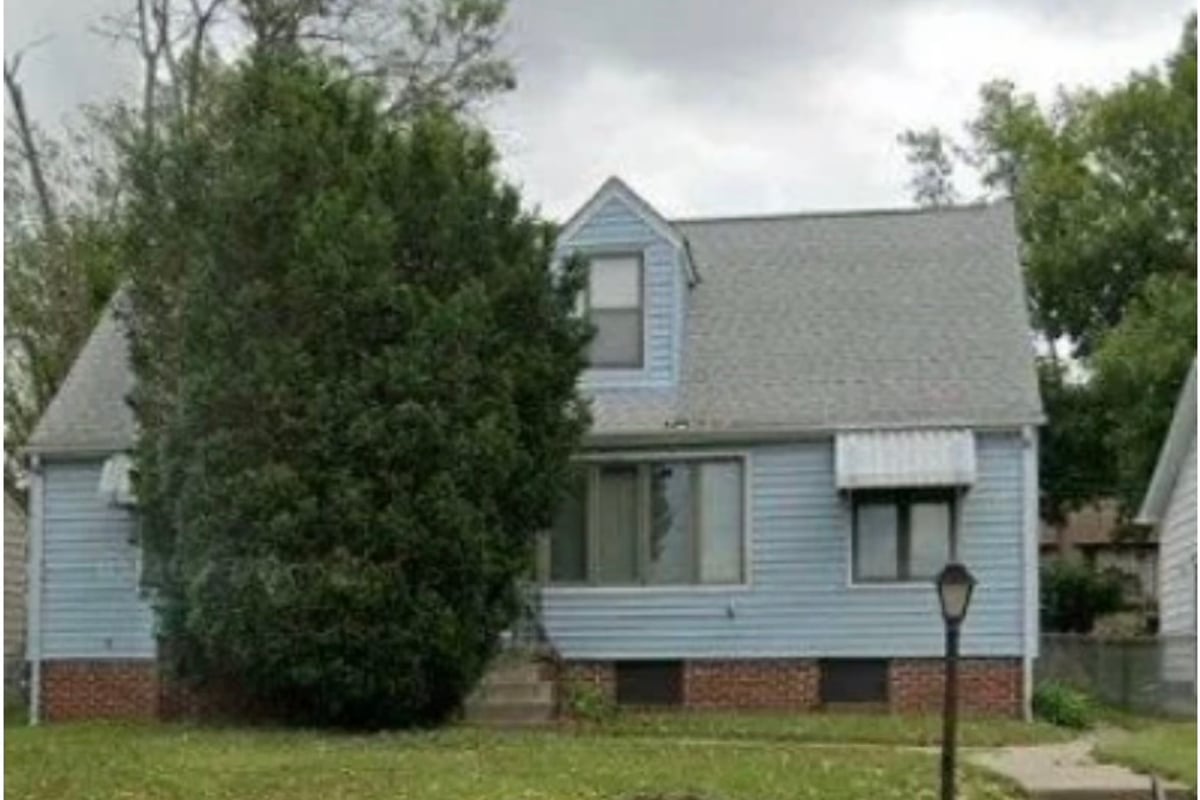
When homeowners need to sell their houses quickly, cash buyers often provide the most straightforward path. These companies handle the entire process, eliminating the stress and uncertainty that accompany traditional sales.
Lease Options and Seller Financing
In some situations, lease-to-own arrangements or seller financing provide alternatives worth considering. These approaches keep you involved with the property longer but might achieve higher ultimate sale prices.
Lease options work best when you’re not under time pressure and can handle the risks of tenant-buyers who might not complete purchases. Seller financing requires financial stability to carry the note and comfort with the risks involved.
Common Misconceptions About We Buy Property Companies
Several myths about the “we buy property” industry persist, creating unnecessary hesitation among homeowners who might benefit from these services.
Myth: All Cash Buyers Are Scammers
While the industry has bad actors like any business sector, numerous legitimate, professional companies operate with integrity and transparency. Researching companies thoroughly helps distinguish reputable operators from problematic ones.
Established companies maintain a strong community presence, transparent processes, and a satisfied customer base. They recognize that their reputations depend on fair dealing and quality service.
Myth: You’ll Always Get Lowball Offers
Cash buyers must account for repair costs, carrying expenses, and profit margins in their offers, resulting in prices below retail market value. However, when you factor in the costs and risks of traditional sales, net proceeds often compare more favorably than expected.
For properties needing significant work, cash offers may actually exceed what you’d net through traditional sales after deducting repair costs, agent fees, and other expenses.
Myth: The Process Is Complicated and Risky
In reality, selling to “we buy property” companies typically involves less complexity than traditional sales. You avoid marketing efforts, showing schedules, buyer financing contingencies, and lengthy negotiations.
Legitimate cash buyers handle the paperwork, coordinate with title companies, and guide you through each step. The process is generally more straightforward than navigating traditional real estate transactions.
Maximizing Your Outcome When Selling for Cash
Even when working with “we buy property” companies, several strategies can help optimize your results and ensure smooth transactions.
Preparing Your Property
While cash buyers purchase homes as-is, basic preparations can improve offers. Clearing clutter, addressing obvious safety issues, and organizing documentation demonstrate property care and may positively influence evaluations.
Simple steps like removing personal belongings, cleaning thoroughly, and ensuring buyers can access all areas during inspections present your home in the best possible light without requiring significant investment.
Timing Your Sale Strategically
Market conditions influence cash buyer offers just as they affect traditional sales. Spring and summer typically see stronger buyer activity, potentially leading to more competitive cash offers.
However, if your situation demands quick action, waiting for optimal seasons may prove counterproductive. The speed and certainty of cash sales often outweigh potential seasonal price variations.
Negotiation Tactics That Work
Even though “we buy property” companies present their strongest offers initially, there is often room for negotiation. Focus discussions on closing dates, included items, and addressing specific concerns rather than just price.
Effective negotiation approaches:
- Request detailed offer breakdowns
- Ask about flexibility on closing dates
- Inquire about leaving appliances or fixtures
- Discuss contingency removal
- Compare multiple offers for leverage
Professional cash buyers respect sellers who conduct thorough due diligence and ask informed questions. This approach often leads to better terms and smoother transactions.
The Future of Cash Home Buying
The “we buy property” industry continues evolving, influenced by technology, market dynamics, and changing consumer preferences.
Technology Integration
Advanced data analytics, artificial intelligence, and automated valuation models are transforming how cash buyers evaluate properties and generate offers. These technologies enable faster, more accurate assessments while reducing operational costs.
Virtual property tours, digital document signing, and online closing processes increasingly streamline transactions. These innovations benefit sellers by enabling faster timelines and greater convenience.
Market Trends and Growth
The cash home buying sector has experienced significant growth over the past decade and shows no signs of slowing. As more homeowners discover the benefits of quick, hassle-free sales, demand for these services continues to expand.
Economic uncertainties, changing demographics, and lifestyle shifts contribute to this growth. Younger generations value convenience and speed, while older homeowners appreciate streamlined processes that eliminate the complications of a traditional sale.
Regulatory Developments
Increased scrutiny and regulation aim to protect consumers while maintaining market efficiency. Many states have implemented or are considering legislation that requires specific disclosures, licensing requirements, and consumer protections for cash-buying companies.
These developments benefit sellers by establishing industry standards, weeding out bad actors, and creating more transparent processes. Reputable “we buy property” companies welcome regulations that legitimize the industry and protect consumers.
Making Your Decision
Choosing whether to work with companies that say “we buy property” requires careful consideration of your unique circumstances, financial goals, and priorities.
Assessing Your Priorities
Identify what matters most in your home sale. If maximizing every dollar takes precedence and you can wait months for the right buyer, traditional listings might serve you better. If speed, convenience, and certainty matter more, cash buyers offer compelling advantages.
Consider your property’s condition honestly. Homes requiring extensive repairs often achieve better net results through cash sales, while updated properties in desirable areas typically benefit from traditional marketing exposure.
Asking the Right Questions
Before committing to any sales method, gather comprehensive information to make informed decisions.
Critical questions to answer:
- How quickly do I need to sell?
- Can I afford repairs and carrying costs?
- What will I net from different sales methods?
- How much uncertainty can I handle?
- Do I have time to manage showings and negotiations?
- What are my alternatives if this sale falls through?
Honest answers to these questions clarify which approach aligns best with your situation and goals.
Moving Forward Confidently
Once you’ve decided to explore cash offers, contact multiple “we buy property” companies for comparative quotes. Evaluate not just the offer amounts but also each company’s professionalism, communication quality, and terms.
Trust your instincts throughout the process. If something feels wrong or a company pressures you inappropriately, walk away and explore other options. Legitimate cash buyers understand that selling your home is a significant decision that requires careful consideration.
Selling your property quickly and efficiently doesn’t have to involve uncertainty or complicated processes. Understanding how “we buy property” companies operate, when they make sense, and how to evaluate offers empowers you to make decisions that align with your goals and circumstances. If you’re in the Omaha area and need to sell your house quickly without the hassle of traditional listings, repairs, or agent fees, Sell My House Fast Omaha offers a straightforward cash buying process designed to get you to closing on your timeline.